Understanding the Attractive Test
In a world increasingly obsessed with appearance, the attractive test has emerged as a popular tool for individuals seeking validation of their looks. These tests harness the power of AI to provide users with a numerical rank or score for their facial attractiveness based on various parameters such as symmetry, proportions, and other beauty metrics. As interest in self-image and personal aesthetics grows, understanding how these tests work and their implications becomes essential.
What is the Attractive Test?
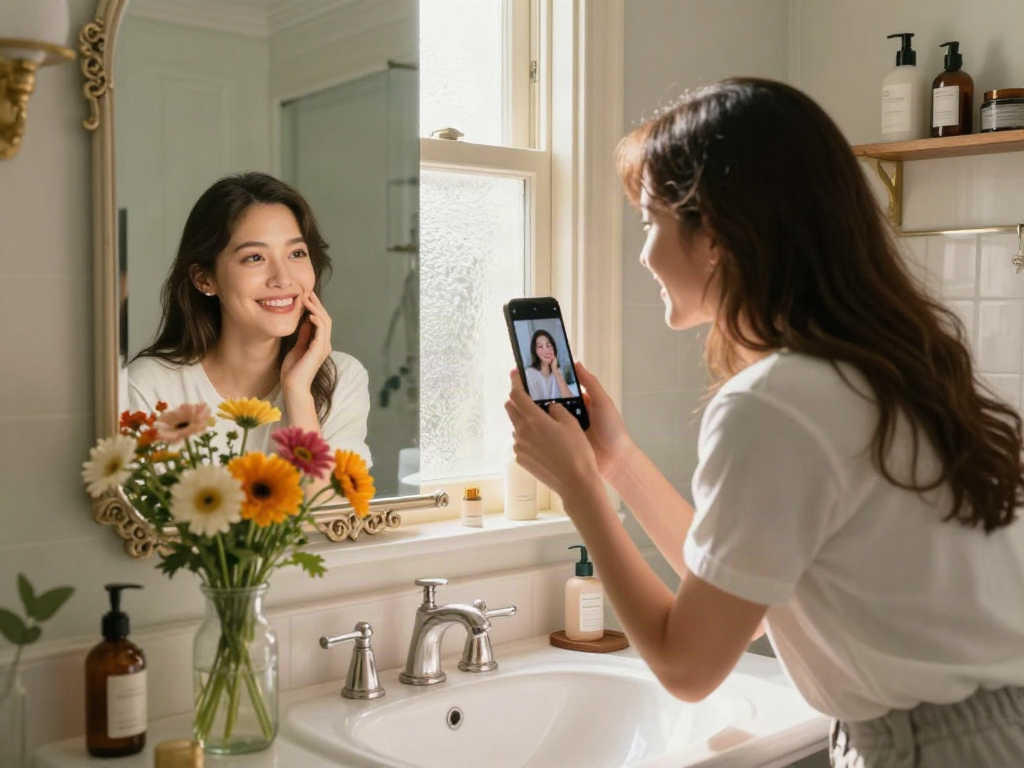
An attractive test is a digital tool designed to assess the physical attractiveness of an individual's face. Typically, users upload a photograph, and the test employs sophisticated algorithms to analyze facial features. The output often includes a score ranging from a low to high scale—essentially grading the user's attractiveness. This scoring mechanism may consider various factors, including facial symmetry, the golden ratio, and other scientifically recognized beauty standards.
The Science Behind AI Beauty Analysis
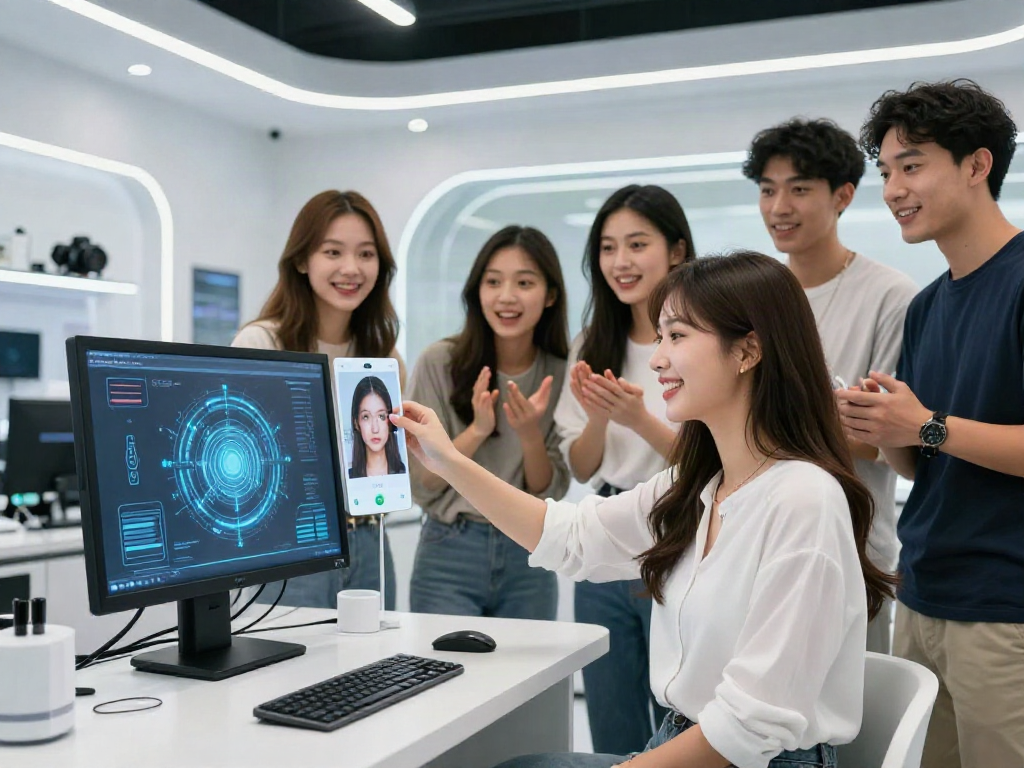
AI-driven beauty analysis relies on comprehensive facial recognition technologies. These systems utilize landmark detection to identify key facial features, such as the eyes, nose, mouth, and chin. The analysis not only measures symmetry, which is often associated with attractiveness, but also evaluates ratios and distances between these landmarks. This scientific approach aims to provide a more objective assessment than traditional methods of evaluating beauty, which can be subjective and influenced by cultural standards.
Why People Take Attractive Tests
The motivations behind taking an attractive test vary widely, ranging from curiosity to validation. Many users seek to understand how they are perceived by others, leveraging the test results to boost or reassess their self-esteem. Moreover, the allure of immediate feedback and quantifiable metrics appeals to a society increasingly driven by data. As people share their results on social media, these tests also serve as social tools, fostering conversations about beauty, self-image, and confidence.
How Attractive Tests Work
AI Technology and Facial Analysis
At the core of an attractive test is advanced AI technology that processes facial data through machine learning algorithms. These algorithms are trained on extensive datasets comprising images with varied attractiveness levels. By analyzing new images against these datasets, the AI can determine a relative score based on learned patterns of facial beauty. This process can include a detailed analysis of skin texture, contouring of facial features, and even emotional expressions.
Key Features of an Attractive Test
- Facial Symmetry: Arguably the most crucial metric, as symmetry is traditionally linked with attractiveness.
- Golden Ratio Calculations: Many tests employ this ancient principle where certain proportions are deemed more aesthetically pleasing.
- Landmark Detection: Identifying and analyzing key points on the face allows for a comprehensive assessment.
- Personalized Feedback: Some tests provide insights into how users can optimize their attractiveness through beauty tips and tricks.
Interpreting Your Results Effectively
Understanding your attractive test results requires a balanced perspective. While a high score may boost confidence, it's essential to remember that attractiveness is subjective and influenced by various factors beyond mere physical appearance. The test's score should be viewed as one aspect of a more comprehensive self-image that includes personality, character, and other traits that contribute to overall attractiveness.
The Popularity of Attractive Tests
Trends in Beauty and Self-Assessment
Recent trends show a surge in the popularity of beauty assessments, driven largely by social media influence and the omnipresence of digital technology. Users are increasingly inclined to seek validation through external feedback mechanisms, including attractive tests. These trends are reflective of broader societal shifts towards self-documentation and the desire for peer recognition based on visual criteria.
Celebrity Influence on Beauty Standards
Celebrities play a pivotal role in shaping and influencing beauty standards. As prominent figures showcase their looks on platforms such as Instagram and TikTok, they set benchmarks of attractiveness that many seek to emulate. The results of attractive tests can both align with and challenge these celebrity-driven standards, prompting discussions about authenticity and personal identity in relation to societal pressures.
Social Media and Sharing Results
The integration of attractive tests into social media has created a new dimension for self-expression. Users often share their test results publicly, initiating dialogues around beauty that can be both empowering and detrimental. While sharing results can foster community support, it can further entrench unrealistic beauty ideals, leading to comparisons that may affect mental health.
Challenges and Misconceptions
Addressing Skepticism Around AI Tests
Despite their increasing popularity, attractive tests face skepticism regarding their accuracy and implications. Critics often argue that AI cannot fully capture the nuances of beauty and personality. Moreover, concerns about the validity of computer-generated assessments, particularly in a field so deeply rooted in personal perception, merit serious consideration.
Common Misconceptions about Attractiveness
Attractiveness extends far beyond physical appearance. A common misconception is that a high score on an attractive test equates to genuine beauty or societal worth. In reality, factors such as confidence, charisma, and kindness significantly contribute to one's overall attractiveness. Awareness and education around these aspects can help mitigate the harmful effects of over-relying on digital assessments.
Ethical Considerations in Beauty Analysis
The ethical implications of AI beauty assessments deserve careful scrutiny. Concerns regarding data privacy, social consequences of ranking individuals, and the potential for promoting narrow beauty ideals must be addressed. As these technologies evolve, stakeholders must ensure transparency and inclusivity in their development and implementation, promoting a more equitable approach to beauty analysis.
Future of Attractive Tests
Innovations on the Horizon for 2026
As technology continues to advance, the future of attractive tests holds exciting possibilities. Innovations might include enhanced personalization features that offer tailored suggestions based on individual user data, providing users with actionable insights for improving their appearance while considering their unique characteristics and preferences.
Integrating Personalized Feedback Mechanisms
Future iterations of attractive tests could integrate sophisticated feedback mechanisms that not only assess physical attributes but also provide emotional and psychological support. By incorporating mental health resources and enhancing self-esteem, these tests could redefine the landscape of beauty assessment, turning them into tools for personal growth rather than mere validation.
Potential Collaboration with Beauty Brands
We may also witness collaborations between attractive test platforms and beauty brands aiming to develop customized skincare, makeup, or wellness products based on test outcomes. Such partnerships could facilitate innovation in the beauty industry while providing users with products that align with their assessed needs.
What is an attractive test?
An attractive test is an online evaluation that analyzes a user's facial photo to generate a score reflecting their physical attractiveness based on various beauty criteria.
Are attractive tests accurate?
While attractive tests use AI and data-driven algorithms for analysis, they may not reflect individual perceptions of beauty or consider personality traits, making them subjective.
How do I interpret my attractive test results?
Interpreting results should involve a comprehensive view of oneself, recognizing that beauty includes various dimensions such as personal traits, confidence, and individuality beyond numerical scores.
Can attractive tests help with self-esteem?
For some, attractive tests may boost self-esteem by providing validation, but they should be approached with caution to avoid over-reliance on external validation for self-worth.
What should I consider before taking an attractive test?
Before taking an attractive test, consider your motivations and the potential psychological impacts. Reflect on how you perceive beauty and self-worth and ensure that the test serves as a tool for positive self-awareness rather than detrimental comparison.