The Benefits of Coloring for Stress Relief
In an age where stress and anxiety are all too common, the quest for effective relief strategies has never been more pertinent. One surprising yet profoundly beneficial tool for easing stress is coloring. This simple, creative activity has been recognized for its therapeutic properties, making it a popular choice among those seeking peace and tranquility. In fact, Coloring for stress relief not only nurtures creativity but also fosters a meditative state that can help unwind the mind. As we delve into the various benefits of coloring, we'll explore how this activity can lead to significant improvements in mental health and overall well-being.
How Coloring Reduces Anxiety and Promotes Calm
Coloring engages both the left and right hemispheres of the brain, which can lead to reduced anxiety levels. The left hemisphere is responsible for logic and reasoning, while the right hemisphere governs creativity and intuition. By engaging in coloring, you stimulate both sides, achieving a balanced mental state. As you immerse yourself in the repetitive motions of coloring within the lines, your mind relaxes, similar to the effects of meditation.
Research supports the idea that engaging in creative activities such as coloring can lower the heart rate and stifle the production of stress hormones. This can lead to an overall feeling of calm, making it an ideal activity for those battling anxiety. A study published in the journal *Art Therapy* found that participants who colored intricate patterns reported lower stress levels than those who engaged in other forms of creative expression.
The Psychological Effects of Engaging in Creative Activities
Creative expression through coloring fosters self-discovery and emotional clarity. As individuals select colors and design patterns, they may unknowingly reflect their emotions and current mental state. This form of self-expression can lead to greater insights into one’s feelings and thoughts, promoting emotional well-being. Furthermore, coloring serves as a distraction from negative thoughts and stresses, providing an escape that can help stabilize mood and encourage a positive mindset.
Moreover, the act of coloring can invoke nostalgia and happiness, reminiscent of carefree childhood days. This connection to a simpler time can enhance feelings of joy and contentment, effectively elevating mood and reducing feelings of stress.
Coloring as a Mindfulness Practice
Mindfulness, the practice of being present in the moment, can be significantly enhanced through coloring. As individuals focus on the act of coloring, they naturally turn their attention away from distractions and worries. The mindful engagement required to choose colors and stay within lines helps ground the individual in the present moment.
By promoting mindfulness, coloring can help break the cycle of negative thoughts and anxiety. In this state of focused engagement, individuals are less likely to dwell on past regrets or future anxieties, making coloring an effective tool for fostering a calmer mental state.
Choosing the Right Coloring Materials
When embarking on your coloring journey for stress relief, selecting the right materials is paramount. This choice can greatly impact your overall experience and the benefits you derive from the activity. Whether you're a beginner or an experienced colorist, having the right supplies can elevate the calming effects of coloring.
Essential Coloring Supplies for Beginners
For those just starting with coloring, it's advisable to invest in quality materials that enhance your experience. Here’s a list of essential supplies:
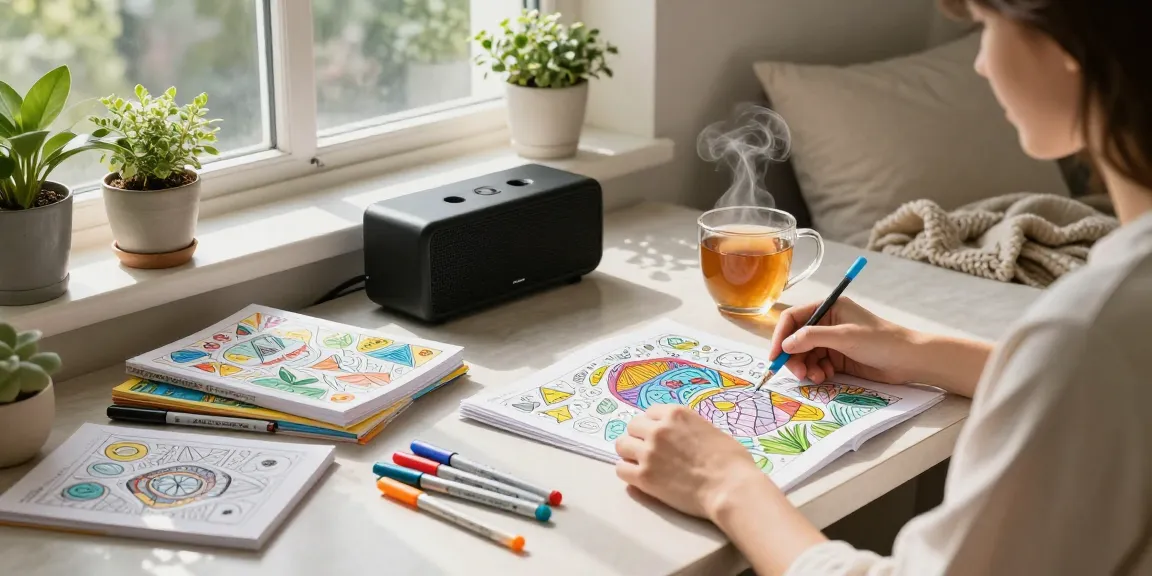
- Coloring Books: Look for intricate designs or themed books that resonate with you. Coloring books specifically designed for stress relief often feature mandalas or nature scenes.
- Colored Pencils: A set of colored pencils offers versatility and blending capabilities. Choose a range of colors for a more dynamic coloring experience.
- Markers and Gel Pens: These can provide vibrant colors and different finishes. Consider using fine-tipped markers for detailed work.
- Quality Paper: Thick, smooth paper prevents bleed-through and allows for layering colors effectively.
Exploring Various Coloring Techniques and Styles
Once you have your materials, experimenting with different coloring techniques can enhance your enjoyment and stress-relief benefits. Some popular techniques include:
- Color Blending: Layering colors to create gradients can bring depth and dimension to your work.
- Pointillism: Using dots of color can create a unique texture and a soothing experience as you focus on the details.
- Abstract Coloring: Freely filling in shapes without boundaries allows for unrestricted creativity.
These techniques not only enhance your artistic expression but also deepen your engagement in the activity, leading to greater relaxation.
How to Create an Inspiring Coloring Space
Your environment plays a crucial role in how you interact with coloring. A well-organized and inviting space can enhance your focus and creativity. Here are some tips for creating an inspiring coloring area:
- Choose a Dedicated Space: Designate a corner of your home where you can color without disturbances.
- Incorporate Natural Light: A well-lit space can boost your mood and energy levels.
- Add Personal Touches: Include plants, artwork, or motivational quotes that inspire creativity.
Integrating Coloring into Your Daily Routine
To fully experience the benefits of coloring for stress relief, it's essential to weave this activity into your daily life. Establishing a consistent practice can foster relaxation and creativity over time.
Setting Aside Time for Creative Relaxation
Consider scheduling short coloring sessions into your daily routine. Even dedicating just 15-30 minutes a day can provide a significant mental health boost. This time can serve as a retreat from your busy schedule, allowing you to reconnect with yourself.
Coloring as a Family Activity to Bond and De-stress
Coloring can also be a wonderful family activity. It offers an opportunity for quality time and can help foster connections between family members. Set up a coloring night where everyone can gather, share stories, and create masterpieces together. Not only does this promote bonding, but it also creates a joyful, stress-free environment.
Creating a Weekly Coloring Challenge for Better Focus
Enhance your coloring experience by designing a weekly challenge. Select different themes, techniques, or color palettes each week to keep things exciting and engaging. This practice can not only boost your creativity but also sharpen your focus, especially as you work towards completing specific projects.
Advanced Coloring Techniques for Stress Relief
Once you've mastered the basics, you may want to delve into more advanced coloring techniques that can further aid in stress relief.
Using Different Color Palettes to Influence Mood
The choice of colors in your coloring work can significantly impact your emotional state. For example, warm colors like reds and oranges can evoke feelings of energy and warmth, while cool colors like blues and greens can facilitate calmness and relaxation. Experiment with various palettes to discover which combinations resonate with you.
Incorporating Other Art Forms for Enhanced Creativity
Why not blend coloring with other art forms? Combining coloring with journaling, painting, or even collage can lead to a richer artistic experience. This integration not only enhances creativity but also allows for varied expression, further alleviating stress.
Collaborative Coloring Projects: Engaging with Others
Consider joining or forming a coloring group where participants can share their work and techniques. Collaborative projects, such as mural coloring or group challenges, can be significantly beneficial for motivation and community building. Engaging with others in this manner can provide social support and foster connections, essential elements for mental wellness.
The Future of Coloring for Stress Relief in 2026 and Beyond
As we look ahead, it’s clear that the role of coloring in mental health is set to evolve. Emerging trends indicate a growing awareness of art therapy and its benefits, positioning coloring as a mainstream technique for stress relief.
Emerging Trends in Art Therapy and Coloring
In 2026, art therapy is expected to be a more recognized intervention for mental health, integrating techniques such as coloring into therapeutic practices. This shift will promote accessibility, allowing more individuals to benefit from creative expression as a form of healing.
How Technology is Enhancing the Coloring Experience
With the rise of digital coloring applications, technology is poised to transform how people engage with coloring. Various apps offer unique features, such as interactive designs and the ability to share creations online. As technology advances, these platforms will likely foster community and support for individuals seeking stress relief through coloring.
Expert Predictions for the Role of Coloring in Mental Health
Experts predict that as the understanding of mental health expands, coloring will be increasingly integrated into self-care routines and therapeutic practices. The proven benefits of creative activities will solidify coloring’s position as a valuable tool for personal well-being in the years to come.
What are the immediate benefits of coloring for adults?
Coloring provides immediate benefits such as relaxation, reduced anxiety, and improved mood, making it an effective tool for managing stress.
How can I get started with coloring as a stress relief tool?
Begin by selecting a quality coloring book and the right supplies that appeal to you. Allocate specific time slots in your schedule to enjoy coloring without distractions.
Are there specific coloring books recommended for stress relief?
Yes, look for coloring books that feature intricate and soothing designs, such as mandalas or nature themes, which are specifically created for stress relief.
What role does color choice play in enhancing relaxation?
Color choice can significantly affect mood; softer tones often promote calmness, while brighter colors may energize, enhancing or altering your emotional state through the art.
Can coloring really improve mental health over time?
Yes, regular engagement in coloring can lead to long-term benefits such as improved mental clarity, reduced anxiety, and a greater sense of emotional well-being.