Understanding the Concept: How Old Do I Look?
Many people find themselves asking the question, "how old do I look?" This curiosity is not just about vanity; it reflects our desire to understand how we are perceived by others. Age perception can significantly influence various aspects of our lives, from job opportunities to social interactions. In this article, we will delve into what influences our age perception, the importance of facial features in age estimation, and how technology has revolutionized this field.
What Influences Our Age Perception?
Age perception is a complex interplay of various factors. Cultural norms, personal experiences, and societal standards all shape how age is shared and perceived. For instance, in some cultures, maturity and wisdom are celebrated, which may lead to a perception of higher age being desirable. Conversely, in more youth-oriented societies, looking older may be associated with negative traits.
Additionally, psychological factors play a crucial role in how we perceive age. Research indicates that people may project their own insecurities or biases onto their evaluation of others' ages. For example, someone who feels they have aged significantly may perceive others as older than they are.
Importance of Facial Features in Age Estimation
Facial features are the primary indicators through which age is often assessed. Elements such as wrinkles, skin texture, and even facial symmetry can significantly impact how old we appear to others. While younger individuals may have smoother skin and more defined facial contours, those of older age may exhibit sagging skin and increased visibility of fine lines.
Moreover, specific features may carry more weight in age estimation. For instance, the presence of crow's feet around the eyes or deep-set lines on the forehead can instantly suggest a higher age. Understanding these cues can help individuals recognize the nuances of age perception and even make informed decisions about skincare and cosmetic interventions.
How Technology Enhances Age Prediction Methods
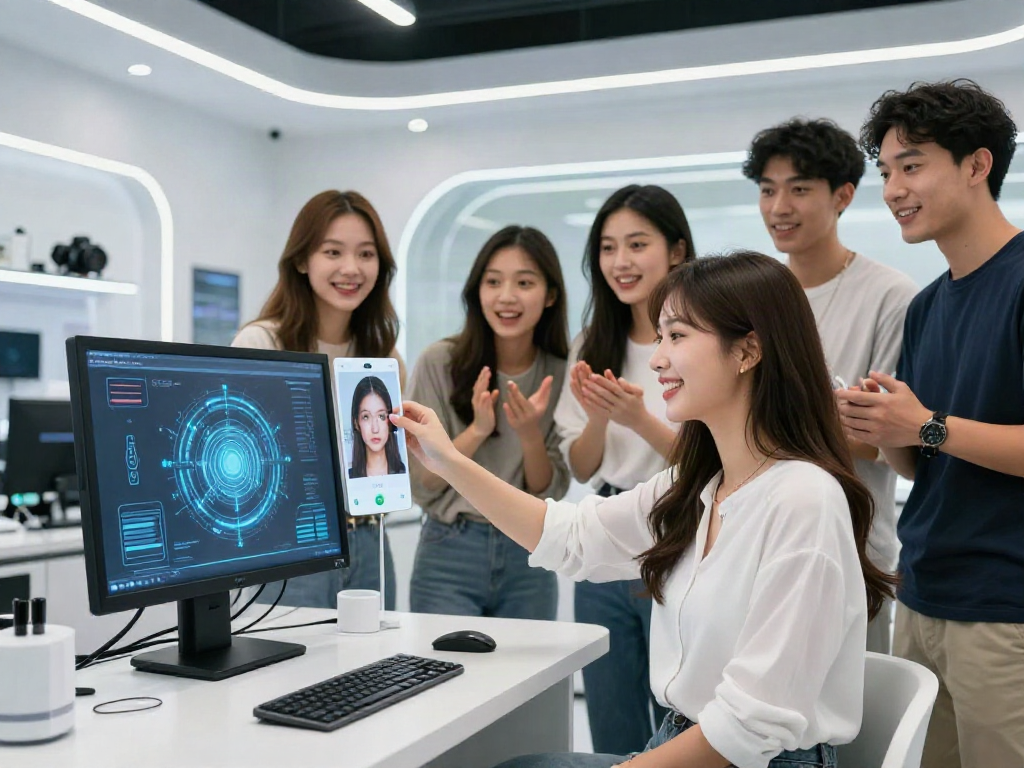
Advancements in technology have dramatically changed how we approach age estimation. Tools leveraging artificial intelligence and machine learning now allow users to upload photos, utilizing algorithms that analyze facial features to predict perceived age. When exploring options, how old do I look can provide comprehensive insights into how AI interprets age.
These technologies not only enhance the accuracy of age predictions but also democratize access to age estimation. They allow anyone with an internet connection to evaluate their perceived age, providing a fun yet insightful experience.
How to Use AI Tools for Age Estimation
With the plethora of available AI age estimation tools, knowing how to properly use these platforms can enhance your experience and the accuracy of results. Here’s a step-by-step guide to ensuring you make the most out of these tools.
Step-by-Step Guide on Using Online Age Estimators
- Choose a Reliable Tool: Select a platform that has good reviews and a user-friendly interface.
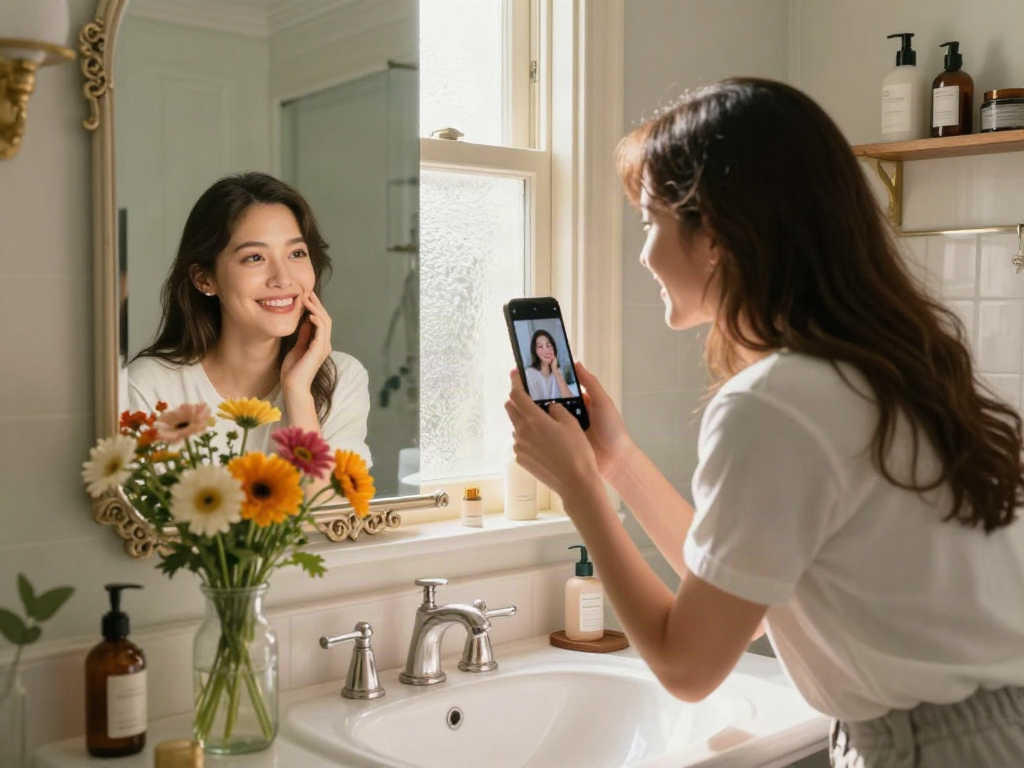
- Upload Your Photo: Use a clear, well-lit photo where your face is directly facing the camera.
- Adjust Settings: Some tools allow you to specify factors like lighting or makeup. Make adjustments as needed for the best outcomes.
- Analyze Results: Pay attention to how the AI describes your perceived age and the features influencing this estimation.
Choosing the Right AI Tool for Accurate Results
Not all age estimation tools are created equal. Some may offer more advanced algorithms that yield more reliable results. To choose the right tool, consider the following:
- User Reviews: Look for tools that have positive feedback from users about their accuracy.
- Privacy Policies: Ensure that the tool respects your privacy and data security.
- Feature Set: Some tools provide additional insights, such as tips for skincare or makeup that can help you appear younger.
Privacy Considerations When Uploading Photos
When using AI tools, privacy is a paramount concern. Always review the privacy policy of the service you are using. Look for platforms that emphasize data protection and do not store your images long-term. It can be a good practice to use a tool that allows image uploads without requiring personal information.
Common Misconceptions About Age Estimation
Despite the advancements in technology, misconceptions about age estimation abound. Let’s address some of the most common myths and provide clarity on the realities of AI-based age estimation.
Debunking Myths on AI Age Detection Accuracy
One prevalent myth is that AI age detection is 100% accurate. In reality, while AI can analyze features and patterns effectively, it is not infallible. Various factors, including lighting and image quality, can affect results. It is essential to interpret suggestions from AI tools as approximations rather than definitive determinations.
Understanding Biological vs. Chronological Age
Another common misconception is conflating biological age with chronological age. Chronological age is the actual time elapsed since birth, while biological age refers to how old your body appears based on various factors, including genetics and lifestyle. AI tools primarily focus on estimating biological age through facial features, which may not always correlate directly with chronological age.
How Real-life Factors Affect AI Predictions
While AI tools can be highly advanced, real-life factors such as health, lifestyle choices, and even stress can alter the appearance of age. For instance, someone with a healthy diet and good skincare may appear younger than their chronological age, which may not be accurately reflected in an AI’s assessment based solely on facial analysis.
Best Practices for Accurate Age Estimation
To enhance the accuracy and reliability of your age estimation results, consider the following best practices.
Preparing Your Photo for Optimal Results
The clarity and quality of your photo can significantly impact the results. Ensure that:
- Your face is facing the camera directly.
- Lighting is even, with no harsh shadows.
- You are free from heavy makeup that may obscure natural features.
Interpreting AI Feedback: Tips and Tricks
When you receive the results from an AI tool, look at the breakdown of the factors influencing the age estimation. This insight can help you understand which features are contributing to your perceived age and can guide you in making changes if desired.
Using Age Estimation Responsibly
While it’s fun and often enlightening to learn how old you look, it’s crucial to approach age estimation responsibly. Use the insights gained to empower yourself rather than allowing them to affect your self-esteem negatively. Age is just a number, and many successful individuals defy age-related expectations.
Future Trends in Age Estimation Technology
The realm of age estimation technology is rapidly evolving. Here are some trends to watch for in the coming years:
Advancements in Machine Learning for Age Detection
As machine learning algorithms become more sophisticated, we can expect increasingly precise age estimation tools that take a wider array of features into account. These advancements may include the ability to factor in emotional expressions and lifestyle indicators such as fitness levels.
Potential Applications Beyond Personal Use
Beyond personal curiosity, age estimation tools have progressive applications in areas such as marketing, health diagnostics, and even legal settings, where understanding age perception can play a pivotal role in targeting and engagement strategies.
What to Expect in the Coming Years: 2026 and Beyond
By 2026, we anticipate a significant leap forward in both the accuracy and accessibility of age estimation technology. Devices and applications may emerge that allow real-time age estimation through augmented reality features. This could profoundly change how we interact in virtual environments.
How to Stay Updated with Emerging Technologies?
To keep abreast of the latest trends and tools in age estimation technology, subscribe to industry newsletters, follow relevant blogs and social media channels, and participate in online forums. Engaging with communities focused on AI and machine learning can provide valuable insights and updates.