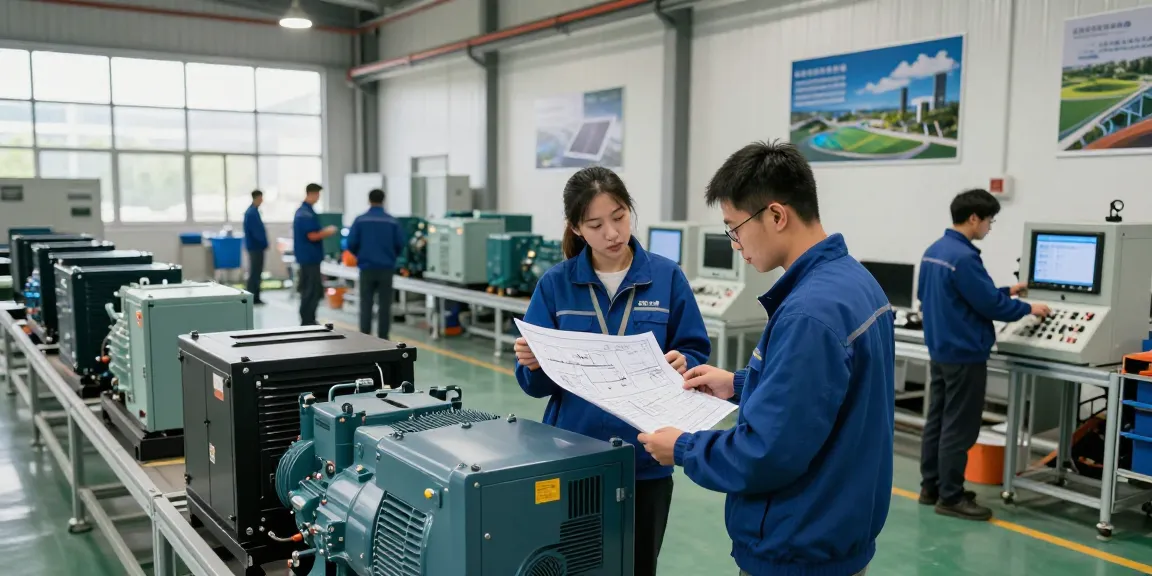
Understanding Glass Cutting Machines
Glass cutting machines play a pivotal role in the glass processing industry, serving as indispensable tools for manufacturers and craftsmen alike. These machines are designed to enhance productivity while ensuring high levels of precision in glass cutting operations. For those seeking robust solutions tailored to their needs, Zhengke’s offerings, such as their innovative glass cutting machine, exemplify the capabilities available in today’s market. Let’s delve into the specifics of these machines, explore their variations, and understand the critical factors to consider when making a choice.
What is a Glass Cutting Machine?
A glass cutting machine is a device engineered specifically to cut glass sheets into desired shapes and sizes. These machines utilize various cutting techniques, including manual scoring and CNC technology, to ensure precision and quality. Depending on the complexity and volume of work, different types of machines cater to distinct needs—ranging from simple hand-held cutters to sophisticated CNC glass cutting systems.
Types of Glass Cutting Machines Available
- CNC Glass Cutting Machines: These computer numerical control machines execute precise cuts based on predefined digital designs. They are ideal for complex shapes and larger production runs.
- Semi-Automatic Glass Cutting Machines: These models require manual intervention for some steps but automate the scoring process, offering a balance between ease of use and task flexibility.
- Manual Glass Cutting Tools: Hand tools such as glass cutters are used for small projects or repairs, allowing users to manually score and snap glass.
- Laser Cutting Machines: Leveraging laser technology, these machines can cut glass with remarkable accuracy and minimal waste, making them suitable for intricate designs.
Key Features to Consider When Choosing
When selecting a glass cutting machine, several critical features should influence your decision:
- Precision: Look for machines with high accuracy ratings to ensure clean cuts and reduced rework.
- Automation Level: Determine the extent of automation required based on production volume and labor availability.
- Material Compatibility: Some machines are better suited for specific types of glass, such as tempered or laminated glass.
- Ease of Use: Consider user-friendly interfaces and features that simplify operation for workers.
- Maintenance Requirements: Assess the maintenance demands and ensure easy access to parts and support.
How Glass Cutting Machines Function
The efficient operation of glass cutting machines relies on specific technological principles and methods. Understanding these can greatly enhance their application in various work settings.
Basics of CNC Glass Cutting Technology
CNC glass cutting technology automates the cutting process by utilizing software and computer controls to manage the operation. The process begins with designing a digital blueprint, which the machine follows to execute precise cuts. This technology not only improves accuracy but also reduces labor costs and time.
Importance of Accurate Scoring Techniques
Accurate scoring is crucial in glass cutting, as it determines how cleanly a piece of glass will break along a designated line. Machines designed with high-quality scoring wheels and adjustable pressure systems guarantee better scoring results, enhancing overall production quality.
Integration with Other Glass Processing Equipment
Glass cutting machines often work in conjunction with other processing equipment such as washing, tempering, and laminating machines. This integrated approach enables a seamless workflow, from raw material to finished product, improving efficiency and reducing handling errors. Moreover, successful integration can lead to further automation of the glass processing line, thus maximizing output.
Best Practices for Effective Use
To maximize the efficiency and lifespan of glass cutting machines, implementing best practices is crucial. These strategies not only enhance performance but also ensure safety and reliability.
Safety Measures in Glass Cutting Operations
Safety should always be a top priority in glass processing facilities. Workers should wear appropriate personal protective equipment (PPE), including safety goggles, gloves, and protective clothing. Additionally, ensuring that machines have clear safety features, such as emergency stops and barriers, can greatly reduce the risk of accidents.
Maintenance Tips for Longevity of Equipment
Regular maintenance is essential for ensuring the longevity of glass cutting machines. Key practices include:
- Routine cleaning of cutting components to avoid debris buildup.
- Scheduled lubrication of moving parts to minimize friction and wear.
- Regular inspections to identify and address wear before it leads to equipment failure.
Optimizing Production Workflow with Glass Cutting Machines
To achieve optimal production efficiency, consider implementing lean manufacturing principles. This involves streamlining processes, reducing waste, and improving layout for better workflow. Automation can also significantly reduce cycle times and increase production rates.
Common Challenges in Glass Cutting
While glass cutting machines are indispensable in the industry, various challenges can affect their performance and efficiency. Understanding these challenges is key to mitigating them effectively.
Addressing Material Variability Issues
Different types of glass may have unique properties that affect cutting performance. Thickness, texture, and composition can all influence how a glass sheet reacts to cutting. It’s important to assess the specific material before operation and adjust settings accordingly to ensure quality cuts.
Reducing Waste and Enhancing Efficiency
Waste reduction is a critical concern in glass processing. Using advanced software to optimize cutting layouts can minimize scrap material. Additionally, investing in high-quality blades and regularly maintaining the equipment can lead to cleaner cuts and less waste.
Troubleshooting Common Technical Problems
Technical issues may arise during the operation of glass cutting machines. Common problems include improper scoring, machine stalling, and inaccurate cuts. Regular training sessions for operators can help them identify and troubleshoot issues quickly, minimizing downtime.
Future Trends in Glass Cutting Technology
The glass processing industry is constantly evolving, with technological advancements driving significant improvements in cutting techniques and machinery. Staying informed on these trends is vital for manufacturers aiming to remain competitive.
Innovative Developments to Watch in 2026
By 2026, expect to see advancements such as enhanced AI integration for predictive maintenance and smart operation protocols. This will allow machines to adapt to varying operational conditions and material types for optimal performance.
The Role of Automation in Glass Processing
Automation continues to reshape the glass processing landscape, with more manufacturers adopting robotic systems for loading, cutting, and packaging operations. This not only improves efficiency but also addresses labor shortages and cuts down potential errors associated with manual handling.
Emerging Markets and Applications for Glass Cutting Machines
With the rise of sustainable construction and innovative architectural designs, new opportunities are emerging for glass cutting machines. Markets focusing on energy-efficient glass and customized glass solutions are set to expand significantly, presenting growth opportunities for manufacturers willing to adapt and innovate.
What is the best glass cutting machine for industrial use?
When considering industrial applications, machines that offer high-speed production, minimal downtime, and automatic features are ideal. Look for options that seamlessly integrate into existing production lines for optimized workflow.
How to maintain a glass cutting machine effectively?
Effective maintenance includes regular cleaning, lubrication, timely part replacements, and keeping the operating software updated to ensure optimal functionality.
What safety precautions should be taken when using glass cutting machines?
Implementing a robust safety program, including operator training, use of PPE, and machine safety features, is essential to mitigate risks associated with glass cutting.
Can glass cutting machines process different types of glass?
Yes, many modern glass cutting machines are designed to handle a variety of glass types, including tempered, laminated, and low-E glass, provided the machine specifications allow for such versatility.
What are the benefits of using CNC technology in glass cutting?
Utilizing CNC technology in glass cutting offers numerous benefits, including enhanced precision, automated operation, and the ability to execute complex designs efficiently, leading to higher productivity rates and lower labor costs.