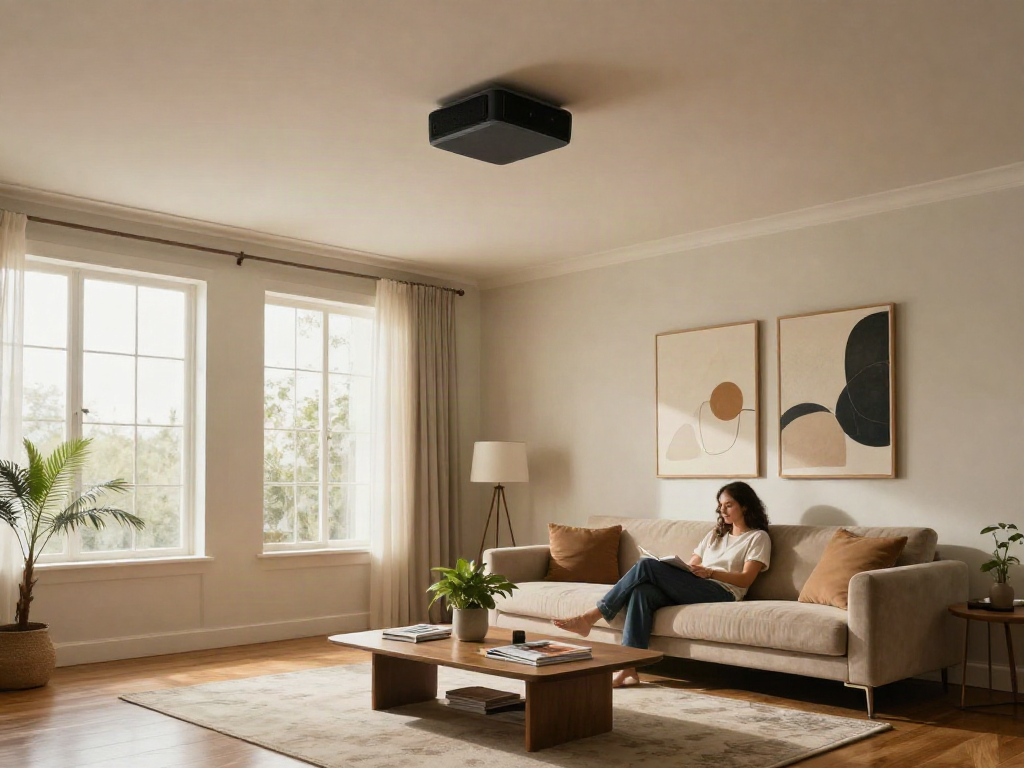
Understanding Ceiling Speakers: The Basics
When it comes to achieving high-quality audio in your home, ceiling speakers are an increasingly popular solution. They provide an elegant and unobtrusive way to enjoy music and sound without the clutter of traditional speakers. In this article, we’ll dive deep into the world of اسپیکر سقفی, exploring their fundamentals, benefits, types, and how to choose the right one for your space.
What Are Ceiling Speakers?
Ceiling speakers are integrated audio devices that can be mounted flush against the ceiling, allowing for a clean and streamlined look. Unlike traditional speakers that occupy floor or shelf space, ceiling speakers blend seamlessly into your home’s architecture. They can be used in various settings, including homes, offices, and entertainment venues, and are designed to provide high-quality sound without taking up physical space. Typically round or square in shape, these speakers come with built-in enclosures that house the speaker components.
Benefits of Using Ceiling Speakers in Your Home
There are numerous advantages to installing ceiling speakers in your home:
- Space-Saving: Ceiling speakers are excellent for homes with limited space, as they don't require floor or shelf placement.
- Enhanced Aesthetics: They offer a modern, clean look that can enhance the overall aesthetic of your room.
- Improved Sound Distribution: Ceiling speakers can be strategically placed to ensure even sound coverage across larger spaces.
- Flexibility: They can be used for background music, home theaters, or multi-room audio systems.
Types of Ceiling Speakers Available
Most ceiling speakers can be categorized into two main types:
- Passive Ceiling Speakers: These speakers require an external amplifier to power them, making them ideal for high-quality audio setups but requiring more installation effort.
- Active Ceiling Speakers: Active speakers come with built-in amplifiers, making them easier to install and use. They are suitable for average home applications where high-end audio isn’t a priority.
Choosing the Right اسپیکر سقفی for Your Space
Factors to Consider When Selecting Ceiling Speakers
When choosing ceiling speakers, consider several essential factors:
- Room Size: Larger rooms may require multiple speakers to ensure adequate sound coverage, while smaller rooms can often get away with a pair.
- Sound Quality: Look for speakers with a good frequency response and sensitivity ratings to ensure high-quality audio performance.
- Power Handling: Ensure the speaker can handle the power from your amplifier without distortion, especially if you're looking for loud playback.
- Cost: Ceiling speakers come in a wide range of prices, so establish a budget and stick to it while ensuring quality.
Optimal Placement for Maximum Sound Quality
Placement is critical for achieving the best sound quality from your ceiling speakers. Generally, aim to space your speakers evenly throughout the room, ideally 6 to 8 feet apart. For optimal surround sound experience in larger spaces, consider placing them in a circle around your main seating area. Additionally, they should be positioned away from corners and walls to prevent unwanted bass buildup.
Matching Ceiling Speakers with Your Home Decor
Matching your اسپیکر سقفی with your home decor can enhance both aesthetics and functionality. Many ceiling speakers feature paintable grilles, allowing you to customize their appearance to blend seamlessly with your ceiling. Consider the color, style, and shape of your ceiling speakers to ensure they complement your existing decor. Additionally, choosing speakers with a low profile can help them remain inconspicuous.
Installation Guide for Ceiling Speakers
DIY vs. Professional Installation: Pros and Cons
Deciding whether to install ceiling speakers yourself or hire a professional depends on several factors, including your skill level and the complexity of the installation. DIY installation can save you money and give you complete control over the setup, but it requires basic electrical knowledge and tools. On the other hand, professional installation ensures that your speakers are installed correctly and can save you time and potential headaches.
Tools Needed for Installing Ceiling Speakers
If you’re opting for a DIY installation, here are some essential tools you may need:
- Circular saw or drywall saw
- Drill and drill bits
- Wire strippers
- Measuring tape
- Level
- Screwdriver set
Step-by-Step Installation Process
Follow these steps for a successful installation of your ceiling speakers:
- Plan the Speaker Layout: Determine the placement of your speakers for optimal sound quality.
- Run Wiring: Use a fish tape to run speaker wire from your audio source to the installation location.
- Cut Holes: Use a circular saw to cut holes in the ceiling for the speakers, ensuring you’ve checked for any obstructions.
- Connect Wiring: Strip the ends of the speaker wire and connect them to the terminals on the speakers.
- Install Speakers: Fit the speakers into the cut holes, securing them as instructed in the manual.
- Test the Setup: Play audio to test the sound quality and make adjustments as necessary.
Enhancing Audio Experience with Ceiling Speakers
Integrating Smart Technology with Your Ceiling Speakers
Smart home technology can significantly enhance your experience with ceiling speakers. By integrating them with smart assistants like Amazon Alexa or Google Assistant, you can control audio playback using voice commands. Additionally, consider systems that allow for multi-room audio, enabling you to play different sound sources in various rooms throughout your home.
Tuning Your Ceiling Speakers for Best Performance
To maximize the performance of your ceiling speakers, tuning is essential. This involves adjusting settings on your audio receiver to ensure balanced sound across frequencies. Most modern receivers offer calibration features that allow you to set optimal sound levels for each speaker automatically. However, manual adjustments may be necessary to achieve the best results based on your room's acoustics.
Common Issues and Trouble-Shooting Tips
If you encounter problems with your ceiling speakers, here are some common issues and solutions:
- No Sound: Check all connections and ensure your audio source is working. Verify the speaker settings on your receiver.
- Distorted Sound: This may be caused by incorrect speaker placement or overload. Adjust the speaker placement and ensure your amplifier's power is not exceeding the speaker's handling capacity.
- Uneven Sound Distribution: If one speaker sounds louder than others, check the wiring and adjust placement for better sound coverage.
Future Trends in Ceiling Speaker Technology
Innovations to Look for in 2026
As technology continues to evolve, so does the realm of ceiling speakers. Innovations such as wireless speakers with advanced connectivity options are set to dominate the market. Expect to see improvements in sound quality, with the integration of high-resolution audio formats becoming more mainstream, allowing for richer sound experiences. Additionally, companies are focusing on energy-efficient technologies that consume less power without compromising audio quality.
Impact of Smart Home Integration on Ceiling Speakers
Smart home integration is reshaping the way consumers use ceiling speakers. The rise of IoT (Internet of Things) devices means that speakers will be able to communicate and integrate with other home systems seamlessly. Imagine having your ceiling speakers adjust audio levels automatically based on the time of day or your current activities. Enhanced automation will ultimately lead to a more personalized audio experience tailored to individual preferences.
Predictions for Audio Trends in Home Design
In 2026, audio trends within home design will lean towards minimalism and functionality. Homeowners are increasingly opting for integrated solutions that provide high-quality sound without compromising aesthetics. This trend supports the use of ceiling speakers that blend with architectural features, allowing homeowners to enjoy superior audio without cluttering their spaces with traditional speaker systems.
What Are the Advantages of Using Ceiling Speakers?
Ceiling speakers offer several advantages, including flexible placement options and the ability to fill larger spaces with sound. They are less likely to be damaged as they are mounted out of reach, and they reduce the need for additional furniture or shelf space to accommodate speaker systems.
Are Ceiling Speakers Suitable for All Types of Rooms?
Ceiling speakers can be used effectively in various types of rooms, including living rooms, kitchens, and even bathrooms, provided they are moisture-resistant. Their versatility makes them an excellent choice for both residential and commercial spaces, accommodating different audio needs and preferences.
How Do I Ensure Optimal Sound Quality with Ceiling Speakers?
To ensure optimal sound quality, focus on proper placement, tune your speakers accurately, and choose high-quality wiring. Additionally, utilize acoustic treatments in your room to minimize unwanted echoes and improve overall sound clarity.
Can Ceiling Speakers Be Used in Outdoor Spaces?
Yes, there are specially designed outdoor ceiling speakers that are weather-resistant and can withstand the elements. These speakers can be ideal for patios, porches, or outdoor kitchens, providing a seamless audio experience even outdoors.
What Makes Ceiling Speakers a Worthwhile Investment?
Ceiling speakers are a worthwhile investment due to their sleek design, efficient use of space, and ability to enhance the audio experience without clutter. They are also adaptable to evolving technology, making them a long-term solution for home audio needs.