Space robots can inspect spacecraft, move cargo, collect samples, and work in places that put people at risk. Their value grows as missions reach farther from Earth and leave less room for quick repairs.
- Remote work outside a spacecraft
- Machines built for dust, vacuum, and extreme heat or cold
- Fewer tasks that need a person nearby
The jobs robots can do first
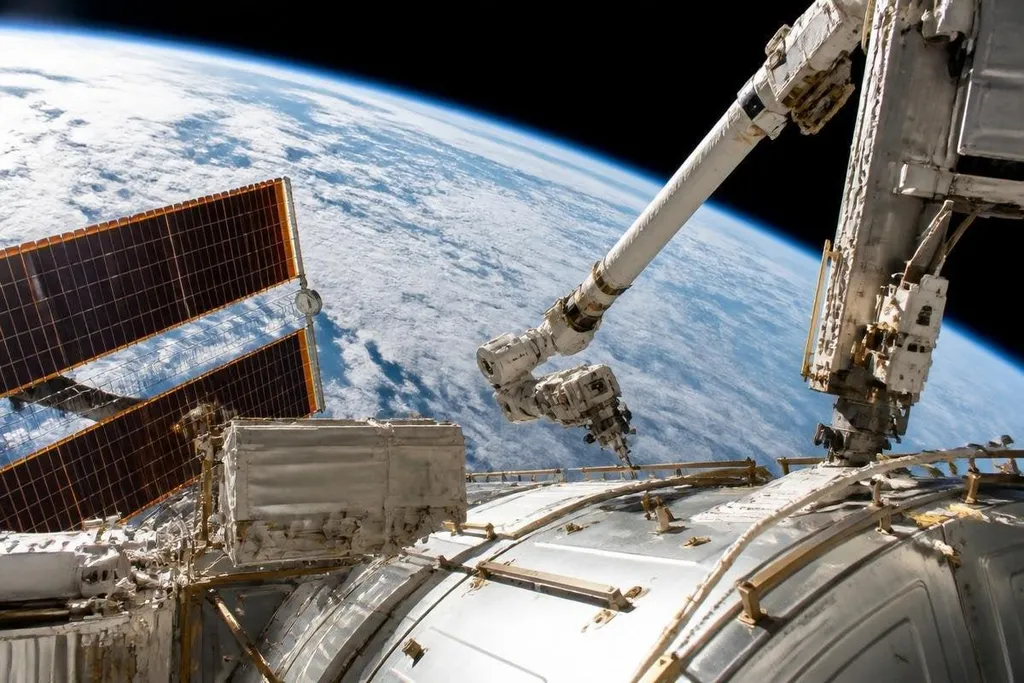
The clearest use is work outside a spacecraft. A robotic arm can move equipment, hold a tool, or inspect a damaged panel while people stay inside a pressurized cabin. That keeps the task moving without sending a person into a suit.
Wheeled robots can also travel across the surface of the Moon or Mars. They can carry cameras, drill into soil, gather samples, and place instruments on the ground. A rover does not need air, food, or a safe sleeping area, so mission planners can give more room to tools and power systems.
Small free-flying robots offer another use. Inside a station or spacecraft, they can look for loose hardware, check air vents, or record the condition of equipment. These jobs sound small, but a missed fault can stop a larger task later.
Distance changes the design
Machines working far from Earth must run with limited help from the ground. Radio signals take time to travel, and a robot may lose contact when a planet, hill, or spacecraft structure blocks the link. That pushes more work into the robot’s local software.
A rover may need to spot a rock, choose a safe route, and stop before its wheels reach a drop. An inspection robot may need to hold its position near a panel instead of waiting for a new command after every movement.
The robot still follows rules written by people, but it needs enough control to handle small changes on its own. This does not mean the machine makes broad decisions like a person. It means the machine can run a limited task without a command for every motor step. That difference matters most when a repair window is short or communication is slow.
Space is hard on hardware
Vacuum removes the air that helps cool many machines. Radiation can harm electronics. Dust can enter joints, cover cameras, and reduce the grip of wheels or tools. A robot made for a factory floor needs changes before it can work beyond Earth.
Designers must also plan for power loss. A surface robot may spend long periods in darkness, then wait for sunlight to return. A machine with a damaged wheel or blocked camera may need to finish its work with fewer ways to move or see.
Those limits make human oversight part of the mission plan. Space robotics reporting from Robot24.com can connect a robot’s task with its operating conditions and failure points. The next issue is human control: what happens when the machine cannot finish the job?
The human role stays in the loop
People still choose the mission goal, set safety limits, review sensor data, and decide when a robot should stop. These machines take on physical work, but they don't remove the need for skilled operators and engineers.
That division can also lower risk. A person may guide a robot through an unusual repair, then let its control system repeat a tested movement. The machine handles position and force; the person handles the wider judgment.
The open problem is repair. A robot can inspect a fault, but the mission still needs the right spare part, tool, and movement plan. Designs that share parts or carry small replacement tools may help, but each added item raises launch mass and power needs.
A practical test for new missions
Before adding a space robot to a mission plan, check these points:
- Name the task: State the physical job in plain words, such as inspection, lifting, drilling, or transport.
- Set the delay: Work out how much command time the link allows before local control is needed.
- Plan for failure: Decide what the robot does after a blocked camera, weak wheel, lost signal, or low battery.
- Check the tools: Match the arm, gripper, drill, or camera to the object it must handle.
- Count the support gear: Include spare parts, software checks, power systems, and operator time.
I’d give space robots more work when the task is repetitive, risky, or far from a person, but not when a repair needs flexible human judgment.
The next useful measure is simple: can the robot finish its assigned task after one sensor, wheel, or communication link stops working? If mission planners can answer that with a tested procedure, space robots become working equipment rather than expensive passengers.