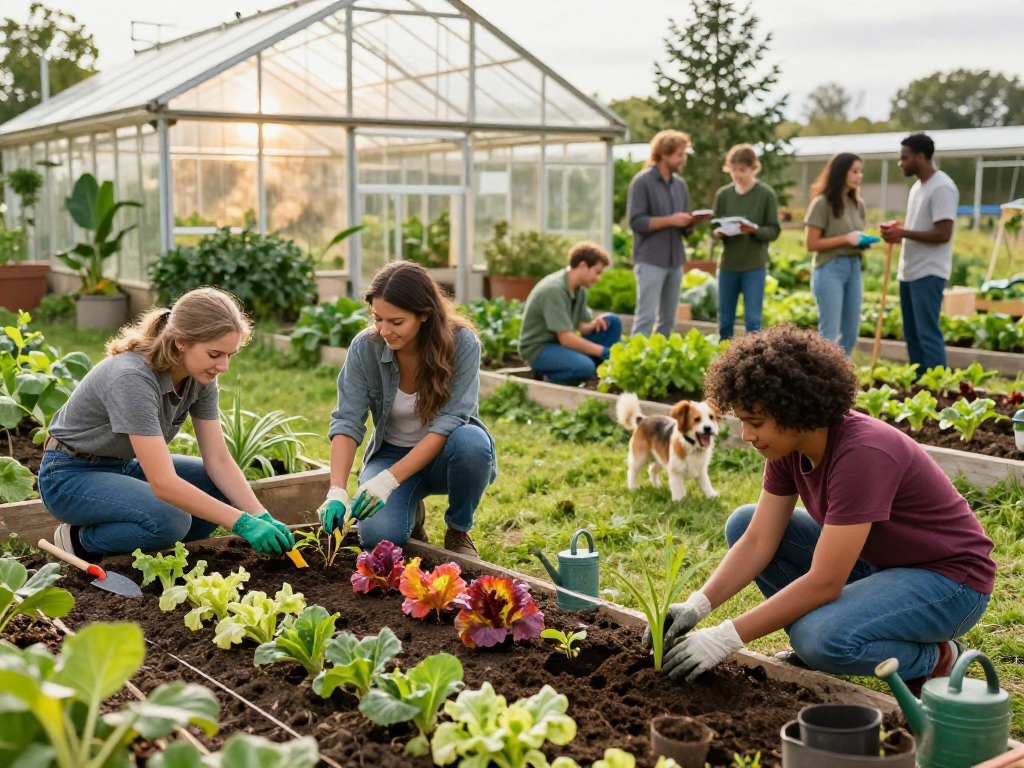
The Importance of Community Agriculture
Community agriculture is not just a trend; it’s a vital practice that fosters local economies, enhances food security, and strengthens community ties. As we move towards 2026, the relevance of sustainable farming initiatives becomes increasingly evident. These initiatives not only support local ecosystems but also provide educational opportunities and promote healthier lifestyles. When exploring options, https://koperasisantun.com/ provides comprehensive insights on the transformative power of community-driven agricultural efforts.
What is Community Agriculture?
Community agriculture refers to an agricultural system that emphasizes social connections within communities. It involves local residents working together to grow food, share resources, and create sustainable practices. This form of agriculture is often community-supported, meaning that individuals or families support local farms directly, receiving fresh produce in return. By fostering a sense of ownership and collaboration, community agriculture addresses both social and food insecurity issues, creating a more resilient community structure.
The Benefits of Local Farming Initiatives
There are numerous benefits associated with local farming initiatives, including:
- Improved Food Security: With local farms providing fresh produce, communities can decrease their reliance on imported foods, which enhances food security.
- Economic Boost: Community agriculture can stimulate local economies by keeping money within the community and creating jobs.
- Environmental Benefits: Local farms often employ sustainable practices that protect biodiversity and reduce carbon footprints.
- Social Cohesion: These initiatives create opportunities for social interaction and community bonding, fostering a sense of belonging.
Challenges in Establishing Community Gardens
While community gardens offer numerous advantages, several challenges can impede their establishment:
- Land Access: Securing land for community gardens can be difficult, especially in urban areas where space is limited and expensive.
- Funding Issues: Many community agriculture projects struggle to find consistent funding, which can limit their growth and sustainability.
- Community Engagement: Engaging community members to participate actively can be challenging, particularly in neighborhoods with diverse interests and priorities.
Engaging Community Members
Engagement is critical for the success of community agriculture projects. Effective strategies must be implemented to involve and inspire community members to participate actively.
Strategies for Involvement and Collaboration
Building interest in community agriculture requires a multifaceted approach. Strategies include:
- Workshops and Events: Organizing events such as planting days, harvest festivals, and farmers' markets can attract community members.
- Volunteer Programs: Encouraging community members to volunteer in gardens can build skills and foster a sense of ownership.
- Partnerships with Local Businesses: Collaborating with local businesses can provide resources and funding while enhancing community ties.
Educating About Sustainable Practices
The education of community members about sustainable practices is essential. Workshops can cover topics such as:
- Composting techniques
- Organic pest control methods
- Seasonal planting and harvesting
By providing knowledge, community agriculture initiatives can empower individuals to make informed decisions about their food choices and environmental impact.
Connecting with Local Organizations
Establishing connections with local organizations, such as schools, non-profits, and environmental groups, can greatly enhance the effectiveness of community agriculture initiatives. These partnerships can lead to better resource sharing, increased volunteer engagement, and broader community outreach efforts.
Best Practices for Successful Community Gardens
To ensure the success of community gardens, it's essential to adopt best practices that allow for efficient management and sustainable operations.
Choosing the Right Location and Soil
Selecting an appropriate location for a community garden involves access to sunlight, water resources, and soil quality. Conducting soil tests can help determine potential contamination and nutrient profiles, enabling community members to make informed decisions about soil amendments and plant selections.
Plants and Crops to Consider for Urban Gardens
Urban gardens should focus on crops that thrive in limited spaces and yield high returns. Some ideal choices include:
- Leafy Greens: Spinach, kale, and lettuce are quick-growing and can be harvested multiple times.
- Herbs: Basil, cilantro, and chives require minimal space and are highly valued in local cuisine.
- Root Vegetables: Carrots, radishes, and beets can be grown in smaller soil volumes, making them suitable for urban settings.
Watering and Maintenance Techniques
Efficient watering techniques, such as drip irrigation or rainwater harvesting systems, can conserve water while ensuring plants receive adequate moisture. Regular maintenance schedules should also be established to prevent weed growth and manage pests effectively.
Measuring Impact and Success
To assess the impact of community gardens, it is vital to establish clear performance metrics that can demonstrate successes and areas for improvement.
Setting Performance Metrics for Community Gardens
Consider metrics such as:
- Harvest yields per plot
- Number of community members engaged
- Financial sustainability measures
These benchmarks can help in evaluating the garden's effectiveness and securing future support.
Case Studies of Successful Projects
Examining successful community gardens provides practical insights and inspiration. For instance, the Detroit Urban Gardens initiative showcases how urban spaces can be rejuvenated through community action, resulting in improved food security and revitalized neighborhoods.
Feedback Mechanisms from Participants
Establishing feedback mechanisms, such as surveys or suggestion boxes, allows community members to voice their opinions and contribute ideas, fostering a sense of ownership and continuous improvement within the garden.
The Future of Community Agriculture in 2026
As we look towards 2026, several trends and innovations in community agriculture are emerging.
Emerging Trends in Sustainable Agriculture
Trends such as vertical farming, aquaponics, and regenerative agriculture are gaining popularity as urban populations grow. These methods maximize space efficiency and minimize environmental impact, making them ideal for urban settings.
Technological Innovations Impacting Farming
Technological advancements, including mobile apps for community garden management and smart sensors for soil monitoring, are revolutionizing how gardens operate. These innovations provide real-time data that can enhance decision-making and optimize resource use.
Building Resilience in Local Food Systems
Creating resilient local food systems involves diversifying crop production and establishing networks among community gardens. These networks can provide mutual support and resources, ensuring that communities can adapt to changing economic and environmental conditions.