Understanding Celebrity Look-Alikes
In today's visually-driven society, the fascination with celebrity culture has reached extraordinary heights, prompting many to wonder, "Which celebrity do I look like?" The rise of user-friendly apps and AI technology has made it possible for individuals to discover their celebrity doppelgängers with just a few swipes. When exploring options, celebrity i look like tools have become increasingly popular, providing users with quick and entertaining results.
What Does it Mean to Look Like a Celebrity?
Looking like a celebrity typically refers to having a facial structure, features, or expressions that visually resemble a well-known public figure. This phenomenon can spark a sense of connection or admiration for the celebrity in question. For many, the appeal lies in the allure of fame and the validation that comes with being compared to someone widely recognized. Factors influencing these perceptions include media representation, personality traits, and even cultural backgrounds.
Popular Celebrity Look-Alike Trends in 2026
The landscape of celebrity look-alike trends is constantly evolving. In 2026, we see a notable shift toward the integration of augmented reality (AR) and virtual reality (VR) technologies within social media platforms. Users are not just checking their resemblance to celebrities; they are engaging in immersive experiences, such as virtual meet-and-greets with celebrity avatars based on their own likeness. Additionally, the rise of social media challenges and viral content often features look-alike comparisons, encouraging more participation and sharing among users.
Psychological Impacts of Celebrity Resemblance
Research indicates that recognizing a resemblance to a celebrity can significantly affect individuals’ self-esteem and social identity. For some, identifying with a well-liked figure can boost confidence, while others may experience anxiety if they feel they don't meet the standards set by their celebrity counterpart. The psychological impacts can vary widely, leading to both positive and negative feelings about oneself.
How Celebrity Look-Alike Apps Work
The technology behind celebrity look-alike apps is fascinating. These apps utilize advanced algorithms and facial recognition software to analyze uploaded photos and compare them against a vast database of celebrity images. This process involves intricate computations that take into account facial symmetry, structure, and key features. Ultimately, the accuracy of these comparisons greatly depends on the quality of both the user-uploaded image and the underlying technology of the application.
The Technology Behind Face Matching Algorithms
Face matching algorithms are primarily based on machine learning and artificial intelligence. These algorithms analyze thousands of facial attributes—ranging from the distance between the eyes to the shape of the jawline—to find the closest match among celebrities. As technology continues to improve, these algorithms are becoming increasingly sophisticated, leading to more accurate and quicker results.
Top Celebrity Look-Alike Apps to Try in 2026
- StarByFace: This app utilizes a neural network for accurate comparisons, allowing users to discover their celebrity look-alikes with a simple photo upload.
- Celebs Like Me: With a rating of 4.4, this app offers engaging features that compare user photos to a library of thousands of public figures.
- Face Shape Detector: This tool not only identifies celebrity look-alikes but also provides insights into face shapes, making it a fun and informative choice.
- Easemate AI: Known for its user-friendly interface, this app quickly returns results, identifying top celebrity matches in seconds.
User Experiences and Testimonials
User experiences with celebrity look-alike apps vary significantly. While many users delight in finding their celebrity twins, others express disappointment when results do not align with their expectations. Testimonials often highlight the fun factor, with users sharing their results on social media platforms, creating a sense of community around the shared experience of celebrity resemblance.
Real-Life Applications of Celebrity Look-Alike Software
Celebrity look-alike technology has advanced beyond mere entertainment; it has practical applications in various sectors, from marketing to social engagement. Brands are increasingly leveraging this technology to connect with their audiences in novel ways.
Using Celebrity Filters for Social Media Content
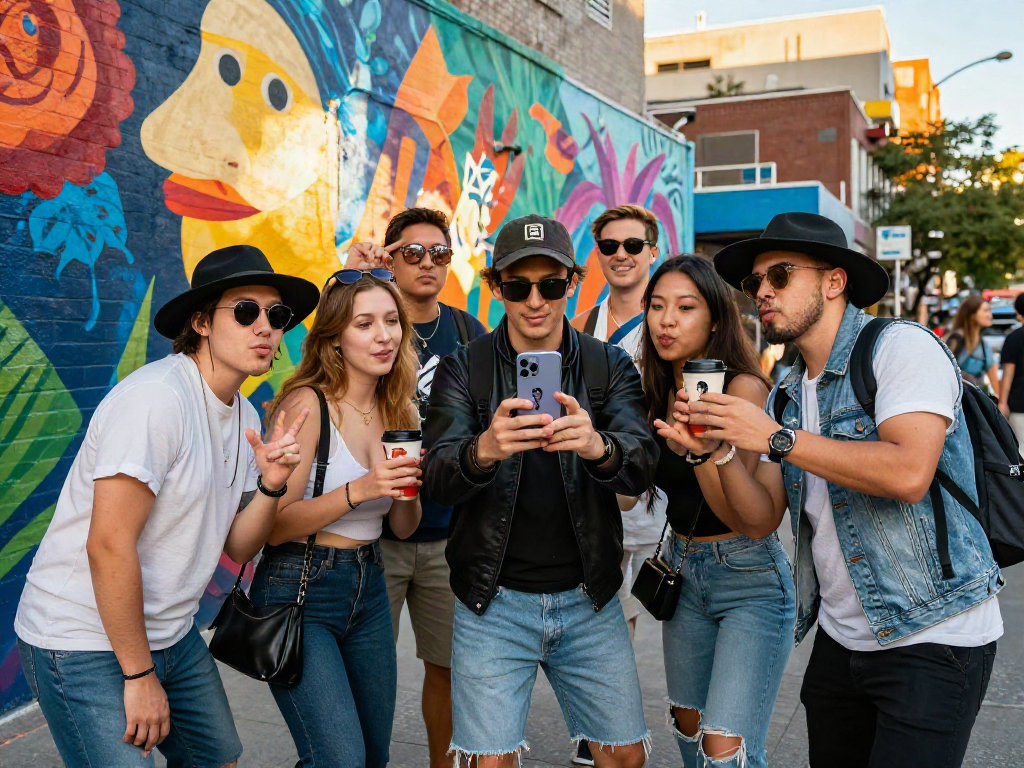
Social media platforms have embraced celebrity look-alike filters, allowing users to overlay or blend their photos with images of famous personalities. This not only enhances user engagement but also promotes content sharing, as individuals often enjoy discussing and showcasing their virtual doppelgängers with friends.
Engagement Strategies for Brands and Influencers
For brands and influencers, incorporating celebrity look-alike technology offers a fresh approach to audience engagement. Campaigns that invite followers to discover their celebrity look-alikes can lead to increased interaction and a deeper connection with the brand. Such strategies create buzz and encourage users to share their experiences, effectively enhancing brand visibility.
Fun Activities and Games Using Look-Alike Findings
There are numerous fun activities that utilize celebrity look-alike findings. From games that challenge users to guess the celebrity based on partial images to social media contests for the best look-alike photos, these activities can drive engagement and community participation. They effectively blend entertainment with social interaction, making them appealing to a wide audience.
Challenges in Celebrity Look-Alike Recognition
While celebrity look-alike technology is impressive, several challenges remain that affect its reliability and user perception.
Common Misconceptions About Look-Alike Technology
A common misconception is that look-alike apps are infallible. Users may assume that a close match indicates a true resemblance. However, due to varying image quality and lighting conditions, results can be misleading, and users should interpret them with caution.
Privacy Concerns and Ethical Considerations
Privacy concerns are significant when using facial recognition technologies. Users must be aware of how their images are stored and utilized by apps. Ethical considerations also arise regarding consent, especially when images are used for marketing without explicit permission from the individuals involved.
Accuracy Issues in Look-Alike Applications
Despite advancements, accuracy issues persist in many celebrity look-alike applications. Factors such as algorithmic bias and data representation can skew results, leading to dissatisfaction among users. Continuous improvement and updates are essential to enhance the precision of these algorithms.
Future Trends in Celebrity Look-Alike Technology
The future of celebrity look-alike technology is poised for exciting developments, driven by emerging technologies and changing user preferences.
Emerging Technologies Influencing Look-Alike Recognition
With the advent of AI, augmented reality, and even deep learning, the accuracy and functionality of look-alike recognition technologies are set to improve exponentially. Future apps may incorporate features such as real-time comparisons and even look-alike suggestions based on current trends in celebrity culture.
Predictions for Celebrity Look-Alike Engagement in 2026 and Beyond
As technology advances, we can expect celebrity look-alike engagement to become more interactive and immersive. Virtual reality experiences, where users can interact with their celebrity matches, may become commonplace, further enhancing user engagement.
Innovative Uses for AI in Pop Culture Analysis
AI will undoubtedly play a crucial role in analyzing pop culture trends and predicting which celebrities will resonate with audiences. By understanding what traits users find appealing, developers can create more targeted and relevant look-alike experiences.
What is the best celebrity look-alike app?
Choosing the best celebrity look-alike app depends on personal preferences and the desired features. Users often recommend apps based on ease of use, accuracy, and additional functionalities, such as social media sharing capabilities.
How does look-alike technology work?
Look-alike technology primarily relies on facial recognition algorithms that analyze users' facial features against a database of celebrity images, identifying matches based on similarities.
Are celebrity look-alike apps accurate?
While many apps provide entertaining results, accuracy can vary significantly. Factors such as the quality of the input image and the sophistication of the underlying algorithm can impact results.
Can I use my celebrity look-alike results in social media?
Most celebrity look-alike apps encourage users to share their results on social media platforms. This sharing can enhance the fun experience and create opportunities for viral trends.
What are the potential privacy concerns with these apps?
Privacy concerns include how user images are stored, used, and whether they are shared with third-party services. Users should always review privacy policies before using these apps.