
As businesses face rising energy prices and increasing operational demands, finding cost-effective power solutions has become a top priority. Organizations across industries are looking for ways to improve energy efficiency without compromising reliability. This growing focus on cost management has encouraged the adoption of advanced technologies that can optimize energy consumption while supporting daily operations.
Hybrid energy systems are becoming an important part of modern energy strategies. By combining multiple power sources and energy storage technologies, these systems help businesses manage electricity more efficiently and reduce overall operating expenses. As a result, hybrid solutions are playing a growing role in modern gas generator environments.
The Growing Adoption of Hybrid Energy Systems
Traditional power systems often rely on a single energy source, which may not always provide the most efficient or economical solution. As energy requirements fluctuate throughout the day, businesses can face unnecessary fuel consumption and increased operating costs.
Hybrid technology these challenges by integrating different energy resources into a single system. This approach allows organizations to balance energy demand more effectively while improving overall system performance. As industries continue to seek greater efficiency, hybrid solutions are becoming increasingly popular across a wide range of applications.
Benefits of Hybrid Technology for Energy Cost Reduction
Hybrid energy systems offer several advantages for organizations seeking more efficient power management.
Improved Fuel Efficiency
By utilizing multiple energy sources, hybrid systems can reduce unnecessary fuel consumption and improve overall energy performance.
Lower Operating Costs
Optimized energy usage helps businesses minimize expenses associated with power generation and fuel consumption.
Enhanced Energy Reliability
Hybrid technologies provide greater flexibility in managing changing energy demands while maintaining stable operations.
Support for Sustainable Operations
Many organizations use hybrid systems to improve efficiency while supporting environmental and sustainability objectives.
Hybrid energy solutions are commonly used in:
• Manufacturing facilities
• Construction projects
• Mining operations
• Commercial buildings
• Telecommunications infrastructure
• Remote industrial sites
These applications demonstrate the growing importance of hybrid Power Generation systems in modern industries.
Choosing the Right Hybrid Energy Strategy
Selecting a hybrid energy solution requires careful consideration of operational requirements, energy demand, available resources, and long-term business goals. Organizations should evaluate how different technologies can work together to create a more efficient and reliable power infrastructure.
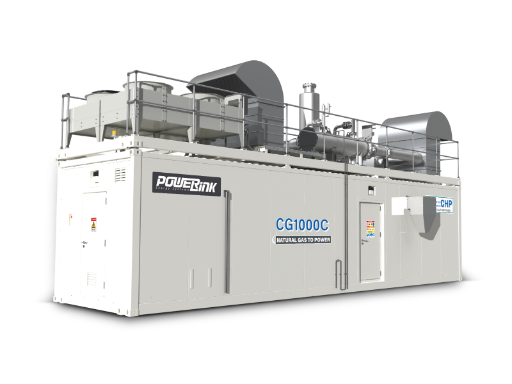
For businesses exploring advanced energy solutions, Power Generation offers technologies designed to support hybrid energy applications. In many cases, a gas generator can be integrated into a hybrid system to provide dependable power while helping organizations improve efficiency and reduce long-term energy costs.
Conclusion
As energy costs continue to rise, businesses are increasingly turning to hybrid technologies to improve efficiency and reduce operational expenses. By combining multiple energy resources, hybrid systems help organizations optimize power usage while maintaining reliable performance.
Whether used in industrial facilities, commercial operations, or remote projects, hybrid technologies are helping shape the future of Power Generation. Alongside solutions such as a gas generator, these systems provide businesses with practical tools for achieving greater energy efficiency and long-term cost savings.