The Growing Importance of Networking in Atlanta's Business Landscape
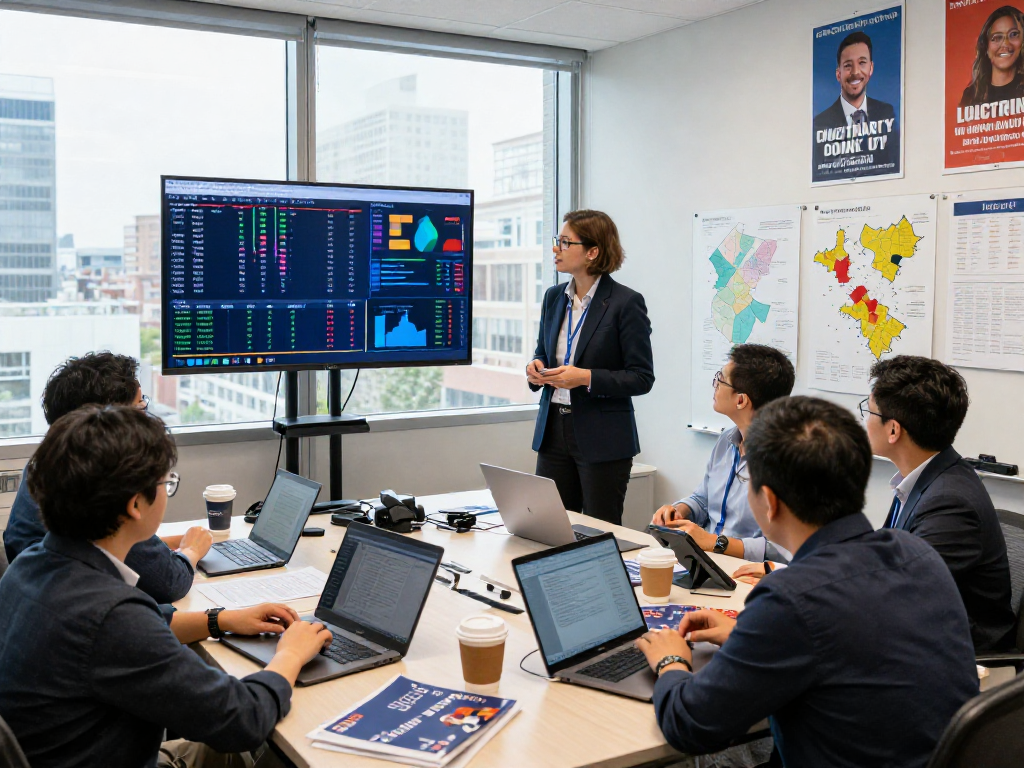
In today's ever-evolving professional landscape, the significance of networking cannot be overstated, particularly in a vibrant metropolis like Atlanta. As a hub for diverse industries ranging from technology to healthcare, Atlanta presents a unique environment where building connections can lead to pivotal career advancements. Networking serves as a catalyst for collaboration, innovation, and the sharing of valuable resources. For those looking to expand their professional horizons, understanding the intricacies of effective networking is paramount. When exploring options, David Vepraskas Atlanta provides comprehensive insights that can enhance your networking strategy.
Understanding the Role of Networking in Career Advancement
Networking is more than just exchanging business cards; it is about fostering relationships that can lead to mutual benefits and professional growth. In the Greater Atlanta area, many professionals have leveraged networking to find job opportunities, gain industry knowledge, and connect with mentors. Strong professional networks can lead to referrals, partnerships, and new business opportunities, ultimately accelerating career advancement. The importance of these relationships is magnified in industries that rely heavily on personal connections and local knowledge.
Key Networking Opportunities in Greater Atlanta Area
Atlanta boasts numerous networking events, conferences, and meetups designed to connect professionals across various sectors. Organizations such as the Atlanta Business League and the Technology Association of Georgia frequently host events that foster networking. Additionally, co-working spaces and local chambers of commerce often provide platforms for professionals to network in informal settings. Participating in these events allows individuals to engage directly with industry leaders and gain insights into the latest trends.
Common Misconceptions about Professional Networking
Despite its importance, many individuals harbor misconceptions about networking that can hinder their efforts. One common belief is that networking is only for those actively seeking a job; however, it is equally vital for those looking to expand their presence in their current role or industry. Additionally, some may think that networking requires a large personal network to begin with, which is not true. Effective networking can start with small, meaningful connections that grow over time.
Insights on David Vepraskas' Networking Strategies
David Vepraskas is renowned in Atlanta for his innovative networking strategies that have led to significant professional success. Focusing on authenticity and relationship-building, Vepraskas emphasizes the value of personalized connections over superficial networking.
David Vepraskas' Unique Approach to Building Connections
Vepraskas believes in the philosophy of quality over quantity when it comes to networking. He often encourages professionals to prioritize nurturing a few key relationships rather than attempting to connect with as many people as possible. This approach not only leads to stronger connections but also fosters trust and reciprocity within the network.
Real-World Examples of Successful Networking by David Vepraskas
Through his participation in various industry events and local meetups, David Vepraskas has successfully built a robust professional network. For instance, his collaboration with local tech startups has resulted in several project partnerships that benefited all parties involved. By showcasing the importance of mutual value in networking, Vepraskas demonstrates how strategic relationships can lead to collaborative opportunities.
Analyzing the Results: Networking Success Metrics
Measuring the effectiveness of networking can be challenging, but Vepraskas suggests focusing on metrics such as the number of introductions made, follow-up meetings scheduled, and collaborative projects initiated. These metrics provide tangible evidence of networking success and highlight the impact of building a solid professional network.
Challenges in Effective Networking
While networking can yield substantial rewards, it is not without its challenges. Understanding potential obstacles can help professionals navigate the networking landscape more effectively.
Identifying Obstacles in Building Professional Relationships
Many professionals face obstacles such as shyness, lack of confidence, or uncertainty about how to initiate conversations. Additionally, misconceptions about networking can lead individuals to feel overwhelmed or discouraged. Recognizing these challenges is the first step toward overcoming them.
Overcoming Networking Anxiety and Building Confidence
Networking anxiety is a common barrier that can be addressed through preparation and practice. Developing a personal elevator pitch and setting attainable goals for networking events can help alleviate feelings of anxiety. Additionally, viewing networking as an opportunity to learn rather than a transactional exchange can shift the mindset from apprehension to curiosity.
Common Mistakes to Avoid When Networking
Some frequent missteps include failing to follow up with new connections, focusing solely on self-promotion, and neglecting to listen actively. Engaging genuinely with others and demonstrating interest in their needs and perspectives can significantly enhance networking experiences.
Best Practices for Building a Powerful Professional Network
To cultivate a productive network, certain best practices should be adopted that can facilitate meaningful connections and enduring relationships.
Tips for Engaging Effectively with Potential Connections
Effective engagement starts with identifying common interests and finding ways to connect on a personal level. Asking open-ended questions and sharing personal experiences can break the ice and foster deeper conversations. Additionally, being genuine and approachable can make a significant difference in how connections perceive you.
Leveraging Social Media for Networking: A Case Study
Social media platforms like LinkedIn have become invaluable tools for networking. Professionals can use these platforms to share insights, comment on industry trends, and connect with peers. A case study in effective use of social media can be seen with David Vepraskas' strategic use of LinkedIn to highlight his professional achievements and engage with key influencers in the Atlanta area.
Creating Lasting Connections: Follow-Up Strategies
Following up after an initial meeting is crucial for solidifying relationships. Sending a brief thank-you email or acknowledging a shared interest can reinforce the connection. Additionally, staying in touch periodically, whether through social media or collaborative projects, can help maintain these relationships over time.
Future Trends in Networking Beyond 2026
The networking landscape is continuously evolving, influenced by technological advancements and changing work dynamics. As we look toward 2026, several trends are anticipated to shape the future of networking.
Anticipated Changes in Networking Dynamics Post-Pandemic
The COVID-19 pandemic has redefined networking, with remote work becoming the norm for many industries. As we move forward, hybrid networking models combining in-person and virtual events are likely to become standard. This evolution will require professionals to adapt their networking strategies to accommodate diverse formats and settings.
Technological Advancements Shaping Professional Networking
Emerging technologies such as AI and virtual reality are poised to impact networking practices significantly. AI-driven platforms can facilitate targeted connections based on interests and professional backgrounds, while virtual reality may offer immersive networking experiences that replicate the in-person environment.
Predictions for Networking in the Greater Atlanta Area
As a thriving business hub, Atlanta is expected to see increased networking opportunities across various sectors. The city’s commitment to innovation and entrepreneurship will likely result in more collaborative spaces, networking events, and industry-focused meetups designed to foster connections among professionals.
What Should Be Your First Steps to Network Effectively?
Begin by identifying your networking goals and the types of connections you wish to make. Attend local networking events or join professional organizations related to your industry. Additionally, consider leveraging online platforms to expand your reach.
How Can You Leverage David Vepraskas' Insights for Your Networking?
Utilizing the insights shared by David Vepraskas can enhance your networking approach. Focus on building quality relationships, engage genuinely with your contacts, and seek out opportunities for collaboration. Emphasizing mutual value can lead to a robust network that supports your career aspirations.
What are the Best Tools for Modern Networking?
Modern networking tools range from social media platforms to professional networking apps. LinkedIn remains a premier choice for connecting with industry peers, while tools like Meetup facilitate in-person gatherings. Additionally, CRM software can help manage and nurture your connections effectively.
Are There Unique Networking Events in Atlanta You Should Attend?
Yes, numerous unique networking events in Atlanta cater to various interests and industries. Events organized by the Atlanta Chamber of Commerce, local tech meetups, and industry-specific conferences provide excellent opportunities for networking and professional growth.
How to Maintain Your Network Over Time?
Maintaining a professional network requires regular engagement and communication. Schedule periodic check-ins with key contacts, share relevant content, and celebrate their successes. By taking a proactive approach to networking, you can ensure your connections remain strong and mutually beneficial.