
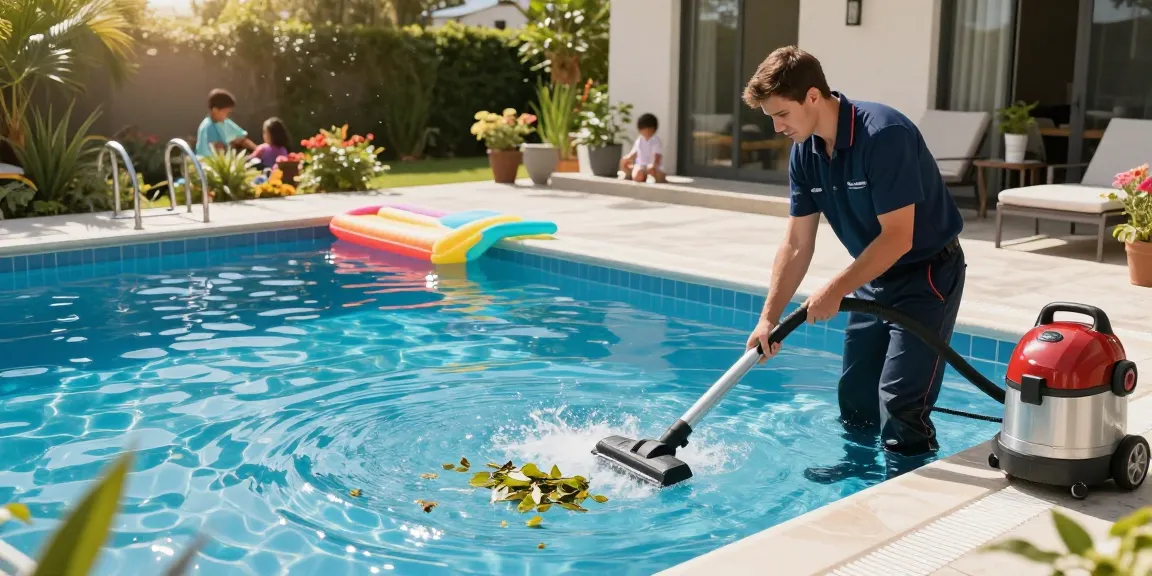
The Importance of Pool Maintenance for Health and Safety
Maintaining a swimming pool is not just about ensuring it looks good for a refreshing dip; it’s a critical commitment to health and safety. Proper pool maintenance, particularly čišćenje bazena, is crucial for preventing health risks associated with contaminated water. Regular upkeep helps in maintaining water clarity and balance, ensuring a safe environment for swimmers of all ages. Neglecting this responsibility can lead to a myriad of issues, from unpleasant odors to dangerous bacterial growth, making it essential for pool owners to prioritize maintenance routines.
How čišćenje bazena prevents health risks?
Dirty pools are breeding grounds for bacteria and algae, which can cause skin irritations, respiratory issues, and gastrointestinal illnesses. Regular čišćenje bazena involves removing debris, scrubbing surfaces, and ensuring the water is chemically balanced. This not only keeps the pool aesthetically pleasing but also minimizes the risk of infections that could arise from swimming in unclean water. By implementing a thorough maintenance routine, pool owners can create a safer swimming environment and extend the life of their pool systems.
Understanding pool chemistry balance for safety
Chemical balance is integral to pool safety. Maintaining the correct pH level (ideally between 7.2 and 7.6) ensures that disinfectants work effectively and that the water remains comfortable for swimmers. Regular testing and adjustments are necessary to avoid complications such as scaling, corrosion, and skin irritation. Knowledge of how chemicals interact helps prevent imbalances that could compromise both health and swimming experience.
Common contaminants and their effects on swimmers
Contaminants can range from organic materials like hair, sweat, and sunscreen residues to inorganic matter such as dirt and debris. One of the most significant risks is the presence of pathogens, which can lead to outbreaks of illnesses like recreational water illnesses (RWIs). To combat this, regular cleaning and proper filtration are paramount. Making sure that the filtration system is running efficiently and that regular maintenance is performed can drastically reduce these risks.
Effective Techniques for čišćenje bazena
To maintain your pool’s hygiene effectively, it is essential to adopt a systematic approach to čišćenje bazena. Here’s a comprehensive rundown on how to keep a pool clean and inviting, starting from routine cleaning to advanced maintenance techniques.
Step-by-step guide for regular pool cleaning
Regular pool cleaning can generally be broken down into several key steps:
- Skimming: Use a skimmer net to remove surface debris like leaves and insects.
- Brushing: Scrub the walls, floor, and steps of the pool to prevent algae buildup.
- Vacuuming: Remove dirt and debris that has settled at the bottom of the pool.
- Filter maintenance: Clean the pool filters according to manufacturer instructions, ensuring efficient operation.
- Chemical balancing: Test the water regularly and adjust the chemical levels as necessary.
Tools and equipment needed for efficient maintenance
Equipping yourself with the right tools can make a significant difference in how effectively you maintain your pool:
- Pool skimmer: For quick removal of surface debris.
- Brushes: Different types for tiles and vinyl liner pools.
- Vacuum: Either manual or automatic, essential for deep cleaning.
- Water testing kits: To regularly check pH, chlorine, and alkalinity levels.
- Pool cover: Helps keep debris out and maintains temperature.
Best practices for maintaining pool water clarity
Clear water is the hallmark of a well-maintained pool. Here are some best practices to ensure that your water stays crystal clear:
- Maintain proper circulation: Make sure your pump is running long enough each day to filter the entire volume of your pool water.
- Regularly clean the skimmer and pump baskets: This prevents flow restrictions that can lead to murky water.
- Use algaecide: As a preventive measure, especially in warmer months, to hinder algae growth.
- Observe proper chemical levels: Regularly test and balance the water, ensuring optimal clarity and safety.
Understanding the Costs of Professional Pool Cleaning Services
Investing in professional cleaning services can be a wise decision for many pool owners, providing peace of mind and ensuring expert care. However, it’s essential to understand the costs involved and what you can expect for your investment.
Price comparison: DIY vs. hiring experts
While DIY cleaning can save money, hiring professionals offers expertise and reliability. Depending on your location and pool size, the costs of professional services can vary widely. Typically, a basic cleaning session might range from $100 to $300, while comprehensive maintenance packages can go upwards of $600 depending on frequency and additional services.
What to expect from a professional cleaning service
When you engage a professional cleaning service, you can expect thorough inspections, chemical balancing, and detailed cleaning. Most services will offer a regular schedule tailored to your pool’s specific needs, ensuring preventative measures are in place to avoid larger issues down the line.
Long-term savings through regular maintenance
Investing in regular professional maintenance can result in significant long-term savings. Not only does it prevent costly repairs due to neglect, but it also helps improve the overall efficiency of your pool equipment, extending its lifespan and reducing energy costs.
Seasonal Maintenance: Preparing Your Pool for Different Seasons
Seasonal maintenance plays a crucial role in the longevity of your pool and ensuring it’s ready for use when needed. This process involves specific actions tailored to the changing weather conditions throughout the year.
Spring cleaning and opening tips for pools
As the weather warms up, it’s time to prepare your pool for the swimming season. Essential steps include:
- Remove the pool cover carefully and inspect it for any damage.
- Test and balance the water chemistry to ensure safety.
- Conduct a thorough cleaning, including skimming, vacuuming, and brushing.
- Reassemble any equipment or accessories that were stored over winter.
- Check the filtration system to ensure it’s functioning properly.
Winterization procedures to protect your pool
Proper winterization is critical to prevent damage during colder months. Key steps include:
- Lower the water level to below the skimmer.
- Clean the pool and balance the water chemistry before adding winterizing chemicals.
- Install a winter cover to keep debris out.
- Remove and store pool accessories and equipment to prevent damage from frost.
Preparing for summer fun: pre-season checks
As summer approaches, pre-season checks are essential to ensure your pool is ready for family fun. Check equipment for wear and tear, test the water quality, and ensure that all safety measures—such as fencing and alarms—are in place.
Future Trends in Pool Cleaning Technology and Services
The pool cleaning industry is ever-evolving, with new technologies and methodologies emerging to improve efficiency and environmental impact. Staying informed about these trends can help pool owners make better maintenance choices.
Emerging technologies revolutionizing pool maintenance
Innovations like robotic pool cleaners, automated chemical dispensers, and advanced filtration systems are making maintenance easier than ever. These technologies offer enhanced cleaning capabilities while reducing the labor involved in pool care.
Eco-friendly products and their benefits
As environmental awareness grows, many companies are developing eco-friendly cleaning products that minimize chemical use while still ensuring effective sanitation. These products not only protect the health of swimmers but also the surrounding ecosystem.
Predictions for the pool maintenance industry in 2026
Looking ahead, the emphasis on sustainability will likely shape the future of pool maintenance. Expect to see a greater use of smart technology for monitoring water quality and increased demand for services that prioritize eco-friendly practices.
What are the key benefits of professional pool cleaning?
Hiring professionals for pool cleaning offers numerous benefits, including expert knowledge, consistent maintenance schedules, and the use of advanced cleaning technologies. These factors contribute to a cleaner, safer swimming environment while saving time and effort for the homeowner.
How often should I clean my pool?
Frequency of cleaning depends on several factors, including pool usage and environmental conditions. Generally, pools should be skimmed daily, while a thorough cleaning should occur at least once a week. However, professional assessments can provide tailored cleaning schedules based on individual circumstances.
What common mistakes to avoid during pool maintenance?
Some common mistakes include ignoring regular cleaning, neglecting chemical balance, and failing to replace worn-out equipment. Awareness of these pitfalls can help prevent serious issues and costly repairs down the line.
What should I do if my pool water turns green?
If your pool water turns green, it indicates an algae bloom typically caused by inadequate sanitation. Shock the pool with a chlorine treatment, brush the surfaces, and ensure proper filtration to eliminate the algae effectively.
How can I maintain a balance between chlorine and pH levels?
Regular testing is crucial for maintaining balanced chlorine and pH levels. Always test the water before adding any chemicals, and follow manufacturer recommendations for dosages. Regular monitoring will ensure the water remains safe and pleasant for swimming.


