Understanding ตรวจสายตา: An Essential Step in Eye Care
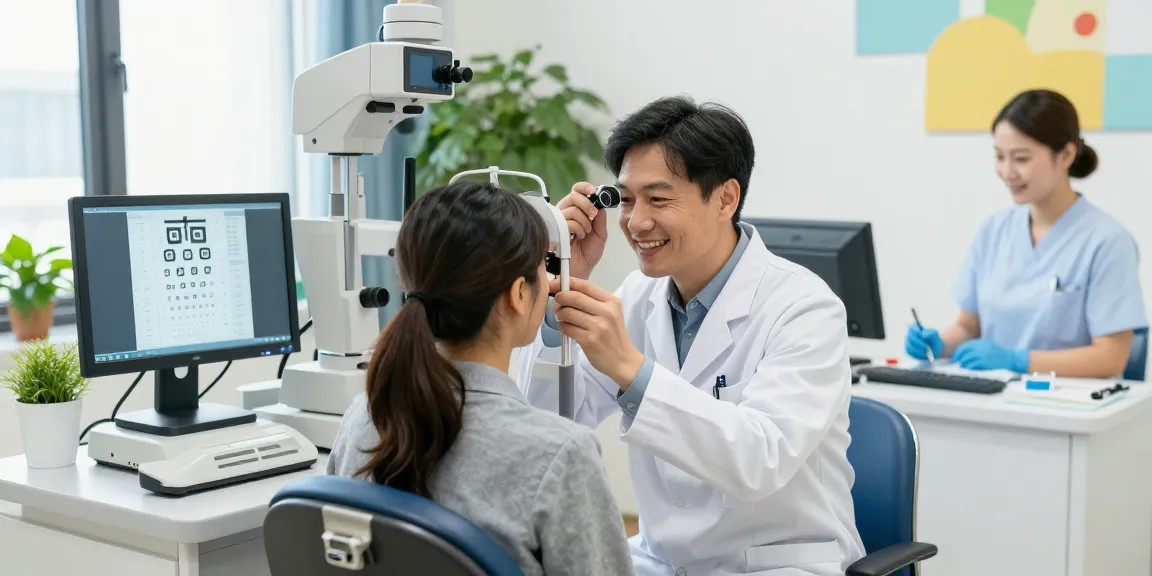
Regular vision exams, known in Thai as ตรวจสายตา, are crucial for maintaining one’s eye health. As the first line of defense against vision deterioration, these assessments not only help detect common eye conditions but also serve as a means to monitor overall health. Timely detection and appropriate interventions can lead to better outcomes and enhanced quality of life, making it essential to prioritize eye care.
What is ตรวจสายตา and Why is it Important?
ตรวจสายตา, or vision examinations, encompass a variety of tests to assess an individual’s visual acuity and eye health. From measuring sharpness of sight to identifying underlying medical issues, these exams are foundational in diagnosing conditions such as myopia, hyperopia, astigmatism, and more. Regular visits to an eye specialist can lead to early detection of serious conditions, including glaucoma and diabetic retinopathy, which might otherwise go unnoticed until significant damage has occurred.
Common Eye Conditions Diagnosed by ตรวจสายตา
There are numerous eye diseases that can be identified during a comprehensive eye exam, including:
- Myopia (Nearsightedness): Difficulty seeing distant objects clearly.
- Hyperopia (Farsightedness): Trouble focusing on nearby objects.
- Astigmatism: Blurred vision due to an irregularly shaped cornea.
- Cataracts: Clouding of the lens leading to decreased vision.
- Glaucoma: Damage to the optic nerve often linked to increased eye pressure.
The Impact of Regular Eye Exams on Vision Health
Regular eye exams significantly contribute to the maintenance of optimal vision health. Early intervention can prevent progression of diseases, allowing for the implementation of corrective measures such as glasses, contact lenses, or surgical procedures. Additionally, these exams provide insight into other health issues, as many systemic diseases manifest symptoms in the eyes, making them vital indicators of overall health.
The Science Behind Accurate Eye Examinations
52 Detailed Tests: A Comprehensive Overview
At SNU Eye Clinic, our commitment to excellence is underscored by our comprehensive testing protocol, which includes 52 detailed assessments categorized into seven groups. This thorough approach ensures that every aspect of your eye health is evaluated meticulously, allowing us to deliver personalized care tailored to each patient’s needs. Our extensive testing regimen is designed to identify issues that may not be apparent during standard eye exams, ensuring no stone is left unturned in maintaining optimal eye health.
Technological Advances in Eye Testing Equipment
The field of ophthalmology has been greatly enhanced by advancements in technology. State-of-the-art equipment such as optical coherence tomography (OCT) and digital retinal imaging provide unparalleled insights into the internal structures of the eye, facilitating early detection of diseases. These innovations also improve the accuracy of diagnoses, resulting in better-targeted treatments and improved patient outcomes.
Understanding the Role of Ocular Health in Overall Wellness
Ocular health is intricately linked to overall wellness. Conditions such as high cholesterol and hypertension can often be detected through changes in the eye. Thus, regular ตรวจสายตา not only addresses vision concerns but also serves as a preventative measure for various systemic conditions, highlighting the interconnectedness of eye health and general health.
Choosing the Right Eye Care Provider
What to Look for in a Professional Eye Clinic
When selecting an eye care provider, several key factors should be considered:
- Qualifications: Ensure that the ophthalmologists are board-certified and have relevant experience.
- Technology: Look for clinics that utilize the latest technology for eye examinations.
- Reputation: Read patient reviews and testimonials to gauge the quality of care provided.
- Services Offered: Choose a clinic that offers a comprehensive range of services, from routine eye exams to advanced surgical procedures.
Key Qualifications of Ophthalmologists
A qualified ophthalmologist should possess a medical degree, complete extensive training in ophthalmology, and hold a valid license to practice. Additionally, ongoing education is vital to keep up with advancements in eye care, ensuring that practitioners can provide the best possible treatment options for their patients.
Patient Experiences: Reviews and Testimonials
Testimonials from previous patients can provide valuable insights into the level of care offered by an eye clinic. Honest feedback regarding their experiences, the effectiveness of treatments, and overall satisfaction can help prospective patients make informed decisions about their eye care.
In-Depth Look at Vision Correction Options
1:1 Vision Correction: Personalized Solutions for Patients
At SNU Eye Clinic, we pride ourselves on our customized approach to vision correction. Our 1:1 vision correction consultations allow for personalized assessments tailored to each patient’s unique needs and lifestyle. Through this method, our experienced ophthalmologists can recommend the most effective corrective measures, whether it be glasses, contact lenses, or surgical interventions.
ICL and Toric ICL: Advanced Treatments for Complex Cases
For patients with specific vision needs, such as high astigmatism or those who are not suitable candidates for LASIK, Implantable Contact Lenses (ICL) and Toric ICL offer advanced solutions. These procedures involve placing lenses inside the eye to correct vision, providing a permanent solution that can be adjusted as vision changes over time.
Comparing Surgical Techniques: Safety and Effectiveness
When it comes to surgical interventions for vision correction, safety and effectiveness are paramount. Procedures like LASIK, ICL, and Toric ICL differ significantly in their methodologies and recovery times. A thorough understanding of each option is crucial, and patients should have open discussions with their ophthalmologists to select the best technique for their unique circumstances.
Future Trends in Eye Care and Technology (2026 and Beyond)
Emerging Technologies in Eye Health Diagnostics
The future of eye health diagnostics looks promising, with emerging technologies poised to revolutionize the field. Artificial intelligence and machine learning are beginning to play significant roles in analyzing diagnostic images, allowing for earlier detection of conditions like macular degeneration and diabetic retinopathy. Additionally, telemedicine is making eye care more accessible, enabling patients to receive consultations remotely.
Predictions for Eye Care Innovations in the Next Decade
As we look ahead to 2026 and beyond, we anticipate a number of notable innovations in eye care. Advancements in gene therapy hold the potential to correct inherited retinal diseases, while smart contact lenses equipped with embedded sensors could monitor glucose levels or intraocular pressure, providing real-time health data to patients and their doctors.
How to Prepare for Future Eye Treatments and Technologies
To prepare for future advancements, individuals should prioritize regular eye exams and stay informed about new treatment options. Engaging with healthcare providers about the latest technologies can help patients make educated decisions regarding their eye care, ensuring they receive the best possible treatment options as they become available.
What is ตรวจสายตา and how often should I get it?
The frequency of ตรวจสายตา can vary based on age and risk factors. Generally, adults should have an eye exam every two years, while those over 60 or with pre-existing conditions may require annual exams. Early detection is crucial, and regular assessments can help maintain optimal vision health.
Are there risks associated with eye surgeries?
As with any surgical procedure, eye surgeries come with potential risks, including infection and complications related to anesthesia. However, when performed by qualified professionals using advanced technology, these risks are generally minimal. It’s essential to discuss any concerns with the ophthalmologist during the consultation phase.
How can I maintain my eye health after treatment?
Post-treatment care is vital for eye health. Following your ophthalmologist’s instructions regarding medication, follow-up appointments, and adjustments can prevent complications and ensure optimal recovery. Additionally, adopting a healthy lifestyle, including a balanced diet and regular exercise, can further support vision health.
What technologies are currently used in eye examinations?
Modern eye examinations leverage various technologies, including autorefractors, which automatically measure refractive errors, and fundus cameras, which allow for detailed imaging of the retina. These tools enhance the accuracy of assessments, providing practitioners with comprehensive insight into a patient’s ocular health.
Why is choosing the right eye clinic important?
Selecting the right clinic is crucial to receiving high-quality eye care. A clinic with experienced practitioners, state-of-the-art technology, and positive patient reviews can significantly affect the outcomes of treatments and overall patient satisfaction. Therefore, thorough research and considerations should be made when choosing an eye care provider.